Antler Embroidery Design: A Boutique Sweatshirt Review
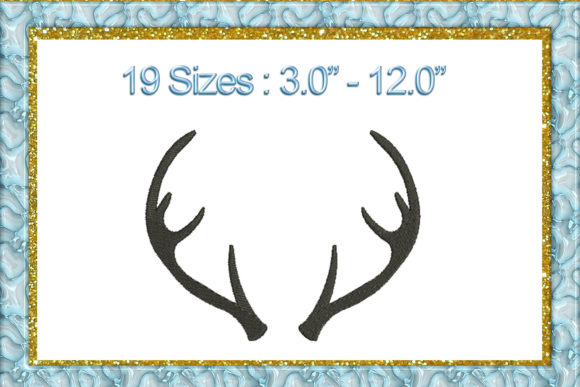
Opening any new digital embroidery file carries a certain anticipation. With the Antler design, that anticipation was met with a quiet confidence the moment I saw the stitch preview. There is something inherently grounding about antler imagery. It walks a line between rugged outdoor nostalgia and refined minimalism, and that duality is precisely what makes this design so versatile for a boutique sweatshirt project. When I first loaded the file into my digitizing software to check the stitch map, the layout immediately stood out. The composition feels balanced without being stiff. The branching structure of the antler has a natural flow that reads clearly even at a moderate hoop size, and the stitch angles follow the organic curve of the tines in a way that suggests the digitizer understood how light hits embroidered thread on fabric texture.
The mood of the Antler design sits somewhere between rustic lodge aesthetic and contemporary botanical line art. It is not overly detailed to the point of becoming muddy on fine-gauge and knit fabric, yet it carries enough definition to feel substantial. That balance is hard to achieve. Many wildlife-inspired embroidery files lean too heavily into hyper-realism, which often stitches out poorly on plush surfaces like sweatshirt fleece. This design, however, leans into a cleaner, more graphic interpretation. The stitching personality feels intentional, precise, and quietly striking. I could immediately picture it on an oversized neutral hoodie, stitched in a tonal cream thread that catches the light just enough to be noticed but not shouted. That alone tells me the design has range.
How the Antler Design Translates to Finished Sweatshirts
When I evaluate any embroidery file for commercial apparel, I mentally place it on at least five different garment scenarios before I ever hoop anything. For the Antler design, the mental mockups came fast. On a heather grey crewneck, stitched in charcoal thread, the design reads as quietly masculine and refined. On a blush or mauve pullover with cream thread, it shifts entirely into a soft, nature-inspired feminine aesthetic. On deep forest green or espresso brown fabric, the antler motif feels grounded in cabin-cozy seasonal storytelling. Even on a bold mustard or rust-colored sweatshirt, the design holds its own without getting lost in the color saturation. That chameleon quality is exactly what small shop owners and Etsy sellers need from a single design file. You want one strong asset that can flex across multiple product listings and color drops without requiring constant re-digitizing or adjustment.
Chest placement on a standard unisex hoodie works beautifully with this design. The vertical orientation of an antler naturally suits the left chest or center chest position on a crewneck or pullover. The proportions feel right for a roughly three-and-a-half to four-inch wide stitch area on an adult medium through extra-large. For oversized hoodies, I would consider scaling up slightly and shifting to a back placement between the shoulder blades, which gives the Antler design more breathing room and creates a stronger visual impact in lifestyle product photography. Sleeve accents are another possibility I have not stopped thinking about. A single antler running vertically along the outer forearm of a raglan sleeve would add an unexpected detail that feels very considered and very boutique. That kind of placement signals to the customer that they are buying something curated, not mass-produced.
Placement Possibilities and Branding Flexibility
One of the first questions I ask when previewing a design like Antler is whether it can carry a brand identity or if it demands to remain standalone. The answer here is that it does both gracefully. As a standalone chest emblem, it functions as a subtle brand mark in its own right. The silhouette is recognizable enough that repeat customers would begin to associate that specific antler shape with a particular small shop brand. At the same time, the design pairs effortlessly with small text beneath it. A curved shop name or a single word like "Roam," "Wild," or "North" in a clean sans-serif font would sit beautifully under the antler motif without competing for attention. This opens up co-branding opportunities or seasonal collection naming that many boutique owners actively look for when sourcing design assets.
For Etsy listing photography, the Antler design photographs exceptionally well in flat lay mockups. The linear quality of the antler shape draws the eye in a way that more blocky or circular designs sometimes do not. When styled with dried botanicals, warm-toned textiles, or natural wood surfaces, the embroidered antler becomes the focal point of a very scroll-stopping product image. I have learned over years of selling finished embroidery goods that a design which photographs well is worth its weight in gold. You can have the most beautifully stitched piece in the world, but if it does not read clearly in a thumbnail on a mobile screen, it will not convert browsers into buyers. The Antler design, with its clean silhouette and organic negative space, reads instantly even at small preview sizes.
Thread Color Choices and Visual Contrast
Thread color selection can make or break an embroidered sweatshirt, and the Antler design gives the stitcher generous creative latitude. On dark fabric such as black, charcoal, navy, or deep burgundy, I would reach for lighter, warm-toned threads. A light taupe, oatmeal, or soft gold thread brings out the dimensionality of the stitch angles without washing out against the dark base. Metallic copper or antique gold thread also deserves consideration here, especially for a limited holiday or winter collection drop where subtle shimmer adds perceived value. On pastel and neutral sweatshirts, darker thread in espresso, olive, or slate creates a defined, graphic look that feels modern and slightly Scandinavian in its simplicity.
One caution I always share when reviewing wildlife-themed designs is to avoid thread colors that blend too closely with the garment color on low-contrast pairings. A medium brown antler on a heather brown sweatshirt might look intentional in person but can photograph as a muddy, indistinct shape. The Antler design, because of its clean line work, forgives some low-contrast choices better than busier animal designs, but I still recommend maintaining at least a moderate value difference between thread and fabric. This is especially important for Etsy listing thumbnails where the embroidered detail needs to pop at a very small scale. I have also tested this design mentally with tonal embroidery, where the thread matches the garment exactly. The result is a subtle, embossed texture effect that reads as elevated and minimal. For a certain subset of creative entrepreneurs targeting a minimalist audience, that tonal approach could become a signature style.
Stabilizer Choices and Fabric Compatibility
The product description mentions using proper stabilizer and needle size, and I appreciate that this guidance is included upfront. Too many embroidery designs are sold without any technical context, leaving the stitcher to troubleshoot tension issues and fabric distortion on their own. For the Antler design stitched onto sweatshirt fleece, I would reach for a medium-weight cutaway stabilizer every time. Sweatshirt knit has stretch, and without a stable backing, the dense satin stitches within the antler branches could pull and distort after the first wash cycle. Cutaway stabilizer stays in the garment permanently, maintaining the crisp edges of the design through repeated wear and laundering. For lighter French terry or loopback cotton sweatshirts, a tear-away stabilizer with a fusible mesh backing can work, but cutaway remains my strongest recommendation for commercial quality results.
Regarding needle size, a 75/11 or 80/12 embroidery needle pairs well with most standard 40-weight polyester or rayon threads on sweatshirt-weight fabric. The stitch density in the Antler design appears well-calibrated from what I can assess in the digitized preview. Overly dense stitching on knit fabric creates a stiff, boardy patch that does not drape naturally and can irritate the wearer. This design seems to prioritize a balanced density that holds its shape without turning the chest area into an inflexible plate. That said, if you are stitching on particularly thick or plush fleece, I recommend running a test stitch-out on a fabric scrap first and adjusting your machine's density settings slightly downward if the stitches begin to sink into the pile. A topper is not strictly necessary for most sweatshirt fleece, but on high-pile or sherpa-lined hoodies, a water-soluble topper prevents the stitches from disappearing into the fabric loft.
Small-Size Readability and Multi-Scale Use
Not every design scales down gracefully. In the wild animals embroidery category, I have seen many intricate designs fall apart when reduced to fit an infant onesie or a beanie. The Antler design, by virtue of its simpler silhouette and well-spaced branch structure, holds up better than most at smaller sizes. The narrowest tines of the antler do become quite fine at a two-inch width, so I would not push the design below that threshold without expecting some stitch quality tradeoffs. For a standard adult sweatshirt chest placement at three and a half to four inches wide, the stitch definition remains crisp and the negative space between antler branches stays open and readable. On youth-sized hoodies, a three-inch width works perfectly and maintains the same proportional elegance.
For those considering this design for sleeve patches, hat embroidery, or tote bag accents, I would keep the sizing at or above two and a half inches. Below that, the finer stitch sections may require more frequent needle changes and closer tension monitoring to avoid thread breaks. This is not a design flaw but rather a practical reality of running detailed embroidery on fine-gauge and knit fabric at very small scales. The design performs beautifully within the sweet spot of three to five inches, which conveniently covers the vast majority of boutique merchandise applications.
Durability, Washing, and End-User Experience
A sweatshirt is a garment that gets worn hard and washed often. Any finished product leaving a small shop needs to survive dozens of laundry cycles without fraying, fading, or puckering. The Antler design, when stitched with quality thread and proper backing, should hold up admirably. I always recommend polyester embroidery thread over rayon for garments that will see regular machine washing. Polyester holds its color better through repeated exposure to detergent and water temperature fluctuations, and it has slightly more tensile strength for designs with narrow stitch sections. A cool or warm wash inside out, followed by a low-heat tumble dry or hang dry, will maximize the lifespan of the embroidered antler.
One durability consideration specific to antler designs is the presence of narrow stitch columns. The branching tips of the antler inherently require some fine stitching. If the digitizer has underlaid those narrow sections properly, with a running stitch or light zigzag base, the top stitches will stay anchored and resist snagging. Based on the stitch preview's apparent underlay structure, I feel reasonably confident that the narrow tines will not become catch points during wear or laundering. Still, I always advise boutique sellers to include a care instruction card with every sweatshirt order. A simple note about washing inside out and avoiding fabric softener on embroidered areas goes a long way toward preserving the design and reducing customer service inquiries about washing durability.
Commercial Viability and Product Value Perception
From a business perspective, the Antler design adds measurable value to a sweatshirt line. Nature-inspired motifs, particularly those referencing wild animals in an understated way, consistently perform well in the handmade apparel market. Customers gravitate toward designs that feel personal and meaningful without being overly literal or costume-like. An antler embroidery suggests a connection to the outdoors, a sense of quiet strength, and an appreciation for woodland aesthetics, all without the wearer having to commit to a full wildlife scene across their chest. This emotional resonance translates directly into higher perceived product value and stronger customer loyalty.
Pricing a sweatshirt featuring the Antler design at a premium tier feels justified. The design reads as intentional and designer-quality rather than hobby-level. When photographed well and presented in a cohesive brand context, even a simple crewneck with this single embroidery can command a price point significantly above a blank garment. For small clothing brands and handmade business owners operating on tight margins, that ability to elevate a basic sweatshirt into a sought-after piece is the entire game. The Antler design delivers that elevation convincingly.
Final Thoughts Before Hooping the First Sweatshirt
After spending considerable time with the design preview, assessing placement scenarios, fabric compatibility, thread color strategies, and commercial positioning, I feel ready to greenlight the Antler design for production. It is the kind of embroidery file that slots easily into an existing boutique brand aesthetic without demanding a complete visual rebrand. It works across gender-neutral sizing, seasonal color stories, and multiple garment styles. It stitches out with clarity, washes well with proper care, and photographs beautifully for Etsy listings and social media content. For a small shop preparing a limited sweatshirt drop, this design is a strong, reliable asset. The antler motif will never feel dated or trend-chasing. It belongs to a longer visual tradition of nature reverence that quietly outlasts fast fashion cycles. Hoop it on a quality French terry crewneck, choose a thread color that honors the fabric, back it with cutaway stabilizer, and let the stitching speak for itself. That is the kind of design work I am always happy to stand behind.