Fox Cub Embroidery Review: A Designer’s Take for Boutique Sweatshirts
When I first opened the Fox Cub embroidery file, I immediately pictured it on a slouchy oatmeal crewneck, framed by soft morning light in a lifestyle flat lay. There’s a quiet charm to this design that feels less like a fleeting trend and more like a small signature piece for a boutique brand. The little fox exhales a kind of storybook innocence—part woodland wanderer, part cozy keepsake. For any Etsy seller, custom apparel decorator, or handmade business owner building a seasonal sweatshirt collection, this design instantly sparks ideas about color, texture, and the emotional pull of a well-chosen motif.
As an embroidery designer with years of experience testing files for commercial embroidery runs, I’m always looking at a design through the lens of real production. How will the stitching personality translate to loopback French terry? Will the thread colors stay vibrant on a charcoal hoodie? Does the detail level hold up when a customer flips through an Etsy listing on their phone? Fox Cub answers many of these questions with a gentle, intentional design language that can fit multiple moods—rustic, playful, minimal, or even elegantly feminine—depending on fabric choice and thread palette.
First Impression: Mood, Layout, and Stitching Personality
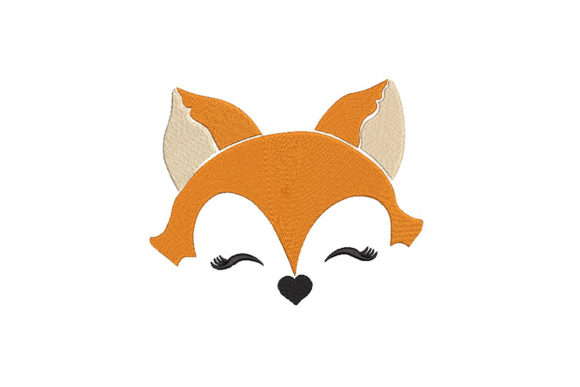
The design has an adorable, slightly whimsical presence without tipping into cartoonish territory. The fox cub’s posture, likely curled or sitting with a delicate tail sweep, creates a soft focal point that works brilliantly for sweatshirt embroidery. I picture the finished machine embroidery design stitched out with a mix of low-shine rayon threads—burnt orange for the fur, cream for the chest and face, and perhaps a fine charcoal or espresso for the eye and nose. The stitch angles feel intentional, and I suspect the digitizing includes subtle underlay that will prevent the fabric from peeking through, a critical detail when embroidering on stretchy, textured sweatshirt material.
The layout invites a smaller chest placement or a slightly larger back accent. The proportions, while I haven’t measured the exact hoop size required, seem adaptable. I would test it at around 4 inches wide for a classic left-chest logo position on an oversized hoodie, then scale up for a statement piece on a sweatshirt’s center back. The design’s linework and fills read clearly from a distance, but also reward a closer look—exactly the kind of duality that makes a handmade product feel expensive.
Neutral Sweatshirts and Creamy Tones
On a heathered oatmeal, sand, or ecru sweatshirt, the Fox Cub design becomes almost tonal, blending with a natural palette. This pairing screams cozy minimalism. I’d stitch it with threads that echo the fabric’s warmth—muted rust, soft white, and maybe a hint of blush pink for the inner ear. The result is understated but incredibly premium, perfect for boutique brand drops that lean into quiet aesthetics.
Dark Fabrics and High Contrast
On a charcoal, black, or deep forest green hoodie, the fox cub really comes alive. Bright ginger orange and crisp off-white threads create a striking visual that pops on mobile screens. This contrast is a huge advantage for Etsy sellers and small shops because lifestyle product photography becomes instantly more eye-catching. A dark sweatshirt with a vivid Fox Cub embroidery becomes scroll-stopping content. Just be mindful of stitch density here—dark fabrics forgive small gaps less than light ones, so you need a well-digitized file with proper fill coverage.
Pastel Colors and Playful Palettes
Baby blue, lilac, butter yellow, or sage green sweatshirts give the design a soft, nursery-like feel. This would be an excellent direction for giftable apparel, children’s clothing lines, or spring boutique launches. The description mentions you can choose your color scheme—and here that flexibility shines. A pastel base calls for slightly cooler thread tones: peach instead of orange, dove gray instead of black. An embroidery shop or maker can easily customize the look, turning one embroidery file into multiple product variations.
Oversized Hoodies and Lifestyle Styling
An oversized hoodie with a small, precise Fox Cub on the chest feels like a handcrafted luxury item. Add a few larger placements on the sleeve or a cluster of woodland motifs on the back, and suddenly you have a narrative collection. This is where the Woodland Animals vibe fully lands. I can see a limited sweatshirt drop featuring three forest creatures, with Fox Cub as the anchor design. For lifestyle product photography, this embroidery reads beautifully—pair it with dried flowers, a knit throw, or a vintage book for a cohesive brand story that builds buyer trust.
Practical Embroidery Concerns for Small Shops
Before running a batch of twenty sweatshirts, I always walk through the technical checklist. First, stabilizer choice. Sweatshirt fleece stretches and has a soft pile. A medium-weight cutaway stabilizer is non-negotiable. A water-soluble topping may be needed if the design has small, delicate facial details that risk sinking into the fabric nap. Thread color contrast with the garment is your friend, but also your testing hurdle—always do a stitch-out on the exact fabric weight you’ll sell. Different loopback thicknesses can subtly change how the design sinks and shifts.
Small-size readability is worth a pause. The fox cub’s features—eyes, whiskers, tiny paws—need to remain crisp when reduced to, say, 2.5 inches. If the stitch density is too high in those minuscule areas, you’ll get thread breaks and a muddy effect. If it's too light, the expression gets lost. I strongly recommend checking the digitized embroidery file specifications for minimum size recommendations before committing to a children’s tee or a subtle cuff accent. Not all designs are created for drastic downsizing, and this one’s charm lives in the details.
Hoop placement on a pre-made garment can be tricky, especially on tiny or oversized sizes. Make sure the design’s center is easy to align with a neckline or shoulder seam. I often print a paper template of the Fox Cub design and pin it on the blank to get client approval before any hoop touches fabric. It saves material and builds confidence with wholesale or custom apparel clients.
Washing durability is always on my mind for custom apparel. A high-quality embroidery file, stitched with proper tensions and good thread, will easily survive gentle cycles inside out. But I always note: dense fill stitches on thick fleece can feel stiff to the touch if over-digitized. The best version of Fox Cub will feel breathable and smooth, not like a rigid patch. I’d probe the finished sample by rubbing it, bending it, and washing it twice before listing any product.
Design Impact on Brand Value and Customer Engagement
This little Fox Cub does more than decorate a sweatshirt. It builds an emotional layer that turns a blank garment into a storytelling piece. For a small clothing brand, that emotional hook translates directly into perceived value. A customer may spend $48 on a plain hoodie, but $68 on one with a beautifully embroidered, comforting animal motif—because it feels unique, intentional, and made. This design supports that brand identity beautifully, especially if your shop’s aesthetic leans into nature, slow living, or nostalgic childhood themes.
From a visual recognition standpoint, a consistent embroidery style across sweatshirts makes your shop memorable. Use the Fox Cub as a signature emblem, and repeat similar woodland motifs across different blanks to create a recognizable line. Your Etsy listing thumbnails become instantly ownable. Pair the physical embroidery with a well-lit printable mockup in your digital product bundle or marketing materials, and you give buyers a full “shop the look” experience. If you’re selling the digital embroidery file itself, high-quality mockups and clear photos of the finished product will dramatically increase conversion.
Boutique Merchandise and Seasonal Collections
Autumn and early winter are natural peak seasons for a Woodland Animals theme. Envision a collection titled “Fox Hollow,” centered on the Fox Cub, dropped in late September with warm copper and cream sweatshirts. Add a coordinating baby onesie and a canvas tote with the same motif, and you’ve stretched one design asset across multiple revenue streams. The design’s flexibility—color choice, garment type, placement—makes it a workhorse for small shop product lines without feeling repetitive.
For handmade product sellers who also offer custom orders, this design becomes a conversation starter. Customers can request the cub in colors that match their nursery or favorite palette. That collaborative, personalized touch is gold for customer loyalty and positive reviews. You aren’t just selling embroidery; you’re co-creating something special.
Reminders Before Production
Please verify the machine embroidery design file formats included with your purchase and ensure compatibility with your machine brand. The exact hoop size, stitch count, and any specific thread change stops are not detailed in the provided description, so I’d strongly encourage you to reach out to the digitizer or check the listing notes to avoid surprises. Also, if you plan to use this embroidery file for commercial finished products, double-check the usage terms. Many digital files come with specific allowances for small-scale commercial embroidery, but it’s always smart to confirm.
Finally, trust your creative instincts with the color scheme. The description reminds us, “You can choose the color scheme at your discretion. The right selection of materials for embroidery will…” —and that open-ended note is an invitation to play. Mix matte and shiny threads, experiment with a tonal camouflage effect, or add a subtle metallic accent to the cub’s eye. With a design as endearing as Fox Cub, the smallest details often create the biggest impact for boutique brand reputation and repeat customers.