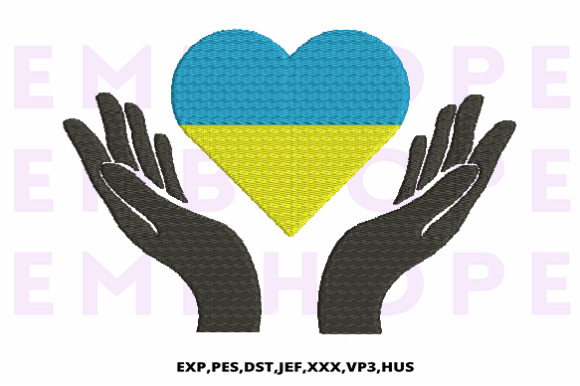
Pray for Ukraine Embroidery Design: A Designer’s Honest Review
A Symbol of Hope Stitched into Every Thread
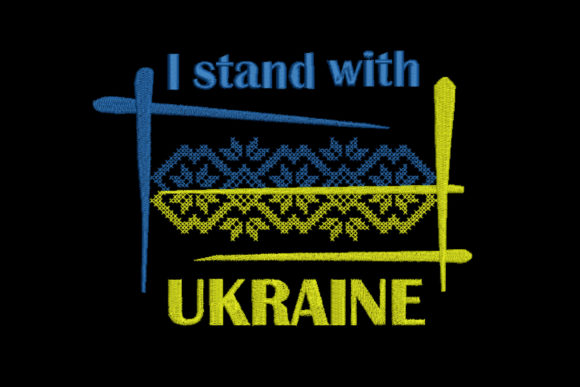
When I first saw the Pray for Ukraine embroidery design on Creative Fabrica, I wasn’t just looking at a decorative file. I saw a quiet, powerful message ready to be stitched into something tangible. The visual mood feels intentional and respectful—more than just text, it’s an embellishment that supports peace, friendship, and freedom. That emotional weight matters when you’re choosing a design for handmade products that will connect with real people.
From the preview, the lettering appears balanced with clean, likely satin stitch edges that promise a crisp finish. If the smaller details rely on running stitches or subtle fill stitch accents, that would keep the overall stitch count manageable without sacrificing definition. An experienced digitizer will appreciate how a well-planned mix of stitch types can make a phrase like this look elevated rather than flat. That’s exactly what I look for in a machine embroidery design meant for public-facing products.
Because the listing mentions multiple embroidery file formats, this already ticks one essential box. It signals compatibility across most machine embroidery software without the headache of file conversion. That alone makes it a friendly pick for Etsy sellers, craft fair vendors, and boutique apparel decorators who want to spend less time troubleshooting and more time creating finished products.
From Screen to Fabric: How It Holds Up on Totes, Sweatshirts, and More
In my studio, I mentally audition every design on at least four different products before I commit to a full stitch-out. Here’s how I picture Pray for Ukraine behaving on the surfaces that matter most in a small business.
A tote bag design instantly came to mind. Heavy cotton canvas is forgiving, but it can pull small letters out of shape if the stitch density is too high. I’d watch for any letters that look pinched—especially scripts or italicized forms. With proper cut-away stabilizer, this design could hold up beautifully on a natural fabric tote, giving it enough presence to stop a customer in their tracks at a market.
On a sweatshirt embroidery project, fleece is a different beast. That napped surface loves to swallow thin satin stitch lines. If the design has delicate strokes, I’d float a water-soluble topper to keep the text crisp. Dark sweatshirts in navy or charcoal would make warm gold or sunflower yellow thread pop—colors that feel both symbolic and visually striking. Stretchy knit fabrics also demand a no-stretch cut-away stabilizer and a hoop that’s tight but not distorted, especially if the design is worn near the chest where movement is constant.
Baby items like organic baby blankets or onesies are another area where this message could resonate deeply. Soft, textured fabric requires special attention. I would scale the design down carefully, checking the minimum size recommendation on the product page, because tiny lettering that’s too dense can turn a cozy gift into an uncomfortable one. A light fill stitch background behind the text, if present, would need to be reduced in density to keep the blanket supple.
Embroidered patch production is a favorite use case for statement designs like this. A patch meant to be sewn onto a jacket or backpack gives the maker flexibility—you can stitch on a stable twill base, trim the edges, and add a heat-seal backing. The design’s theme fits activist patches, fundraiser merchandise, or simply a wearable reminder of solidarity. Here, I’d pay close attention to the border, if any, to ensure it’s dense enough to resist fraying but not so heavy that it cracks.
Curved surfaces such as caps demand a slightly different approach. Hooping a structured cap isn’t trivial, and lettering can distort if it wraps too far around the crown. Keeping the design within the center front seam limits keeps it readable. That’s a layout consideration I always check against my hoop size before loading a digital embroidery file.
Navigating Fabric Choices and Stabilizer Secrets
No matter how good a Creative Fabrica embroidery file looks on screen, fabric and stabilizer choices make or break the stitch-out. For kitchen towels and aprons that will be washed dozens of times, water-soluble topping combined with a medium-weight tear-away stabilizer gives me the cleanest text without the tell-tale shadow of permanent stabilizer showing through light fabrics. If you sell linen bread bags or market totes, test a sample and throw it in the laundry—real customers will do exactly that, and your shop’s reputation depends on a piece that looks fresh after washing.
On pillow covers and nursery decor items, I sometimes add a soft fusible interfacing behind the embroidery area to prevent the fabric from waving. This works especially well with looser weaves. The key is to keep the back of the finished product neat; no one wants to see messy bobbin thread or puckering when they unzip a cushion cover.
For custom apparel made from performance blends, the stretch recovery is the wildcard. I always do a test run on a scrap of the exact same fabric blend. If the satin stitch letters pull apart after one wear, the design loses its power. A bit of pre-stretch hooping and a heavy cut-away stabilizer usually saves designs with dense lettering areas, keeping “Pray for Ukraine” bold and intact.
The Quiet Power of a Well-Placed Embroidered Message
I’ve learned that a thoughtfully worded handmade product can build buyer trust in seconds. This isn’t just another floral motif—customers see a message of peace, friendship, and freedom, and that emotional resonance can turn a simple tote into a personalized gift with genuine meaning. When I place such a design on an apron or kitchen towel, I’m not simply decorating; I’m offering a small expression of solidarity that aligns with my brand’s values.
From a seller’s standpoint, Pray for Ukraine has strong potential for Etsy listings centered around donation-based products or care-package themed bundles. The visual appeal matters equally in product photography: a nicely pressed finished item with this embroidery creates an instant focal point. I’d style flat lays with soft linen, sunflower accents, or warm neutral palettes to reinforce the hopeful mood. That consistent visual appeal strengthens brand recognition and keeps customers engaged across social media platforms that reward high-quality, story-driven images.
Giftability plays a huge role too. A hand-embroidered pillow cover or a soft baby blanket with this message becomes more than a gift; it carries intention. Buyers searching for comfort items or solidarity merchandise are often willing to pay a small premium for craftsmanship they can feel good about. However, that premium only materializes if the stitch quality is flawless, so I always inspect small details after stitching and never sell a piece that shows uneven tension or skipped stitches.
Before You Press Start: My Pre-Stitch Checklist
Over the years I’ve streamlined a pre-stitch routine that saves me from wasted blanks and disappointed customers. Here’s exactly what I do when I download any new embroidery file, including the Pray for Ukraine design:
- Confirm the hoop size on the Creative Fabrica product page. Even if the preview looks small, actual dimensions can surprise you. Make sure your machine and hoop can handle it without re-hooping mid-design.
- Check thread color contrast against both light and dark fabric mockups. I physically lay thread cones on the fabric to see how the shades interact before loading the machine.
- Test on scrap fabric that matches the final product’s weight, weave, and stretch. Never trust a new file on the final blank.
- Inspect stitch density by running the file through your embroidery software. Too-dense areas can cause thread breaks, while too-light fill stitch can expose the background fabric.
- Review the license terms directly on Creative Fabrica to confirm it’s cleared for your intended use—commercial embroidery, craft fairs, or limited-run boutique merchandise. Don’t assume; double-check.
- Use proper stabilizer for your chosen fabric. Cut-away for knits, tear-away for woven cotton, wash-away topper for textured or napped surfaces.
- Inspect small details after stitching, especially letters with internal counters that could close up under too much tension.
These steps take extra time, but they’re what separate a forgettable piece from a commercial embroidery product that customers return for.
Is Pray for Ukraine Right for Your Next Project?
As a designer who regularly sources from Creative Fabrica, I keep files like this one in a dedicated folder for cause-driven and solidarity-themed work. The design’s category under Europe subtly anchors it in a continent-wide empathy that’s relevant for charity fundraisers, cultural events, and community gatherings. Its multiple embroidery file formats give me flexibility across different machines and software setups—something I value when I’m bouncing between my own studio and a contract digitizing job.
This isn’t a design you’ll likely use on hundreds of identical blanks, but for small, intentional batches it can elevate your catalog. I’d pair it with other design assets in a cohesive bundle, or use it as a standalone piece on premium aprons and cotton-linen tote bags. The finished product carries a quiet dignity that resonates beyond stitch count and hoop size.
If you’re an apparel decorator, a patch maker, or a handmade shop owner looking to weave a meaningful thread into your offerings, Pray for Ukraine is worth a careful test stitch. Just head to the product page, verify your machine’s requirements, and give yourself the gift of a proper sample run. When the needle stops and you hold that first perfectly stitched piece, you’ll know if it belongs in your line.