Field Grass Embroidery Design: A Craft Fair Honest Review
First Impressions from a Designer’s Eye
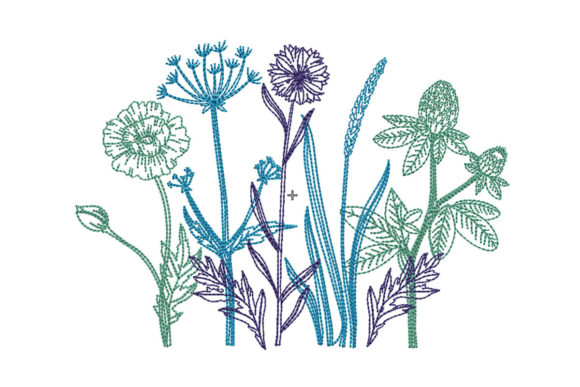
When I opened the Field Grass digital embroidery file, the first thing that hit me was its gentle, airy personality. This isn’t a loud, busy pattern. It breathes. As an Outline Flowers design, it leans into delicate linework that feels like a pencil sketch come to life in thread. For a craft fair table, that quiet confidence is a serious asset. Customers walking past a booth often get drawn to bold statements first, but the ones who stop and linger are attracted to soft, intentional details. Field Grass whispers “handmade quality” in a way that heavy, fully filled designs sometimes can’t.
I immediately pictured it on natural linen tea towels, unbleached tote bags, and light cotton aprons. There’s a modern farmhouse vibe here, but also a fresh boho simplicity. It doesn’t compete with the fabric texture; it complements it. That’s exactly the kind of embroidery design that lets the handmade product itself stay at center stage while adding a polished, artistic touch. The description says it suits bags, t-shirts, dresses, sweatshirts, and tablecloths, and I agree — but its sweet spot will always be the pieces where the fabric tells half the story.
Where Field Grass Truly Performs at a Craft Market
Over years of testing machine embroidery design files for in-person selling, I’ve learned that not every stunning design sells equally on every product. Field Grass is a chameleon in the best possible way, but some applications make it a star. Here’s where I’d place my bets for a weekend booth.
Linen Tea Towels and Kitchen Textiles
A light outline grass motif on a flour sack towel? Instant heirloom feel. At craft fairs, kitchen textiles are impulse buys. A shopper sees the towel, imagines it hanging in their own kitchen, and the sale happens fast. The outline nature of this design means it won’t get stiff or crusty with dense stitches, so the towel remains soft and absorbent — a practical selling point you can mention. I’d pair it with a simple palette: olive green thread on oatmeal linen, maybe a dusty gold on white. Keep the hoop size modest, around 5x7, and it becomes a repeatable, low-cost product with high perceived value.
Tote Bags and Market Bags
A tote bag design like Field Grass elevates a plain canvas carryall into something a customer wants to show off at the farmer’s market. Because it’s an outline style, it stitches quickly and uses minimal thread — important when you’re producing a dozen bags for stock. I’d place it slightly off-center on the front panel, maybe with a subtle arching composition. On dark fabric, use light, matte thread for contrast; on natural canvas, go tone-on-tone for a sophisticated, understated look. This design also works beautifully on the top flap of a simple crossbody pouch, turning a small accessory into a real giftable item.
Booth Samples and Caps
While I’d avoid overly curved cap surfaces for intricate details, the loose, grass-like strokes of this outline design actually handle the cap’s curve decently if you keep the design within a 2.5-inch height and use a sturdy cap hoop frame. A small embroidered patch version of Field Grass could also be an easy add-on: stitch it on felt, finish the edge, and sell it as a sew-on or iron-on patch. Teens and young adults love patches for jackets and backpacks. The key is testing for clarity at that reduced size — more on that below.
Gift-Ready Pillow Covers
At craft fairs, gift buyers hunt for something special under $25. A cotton or linen pillow cover with a single Field Grass design in the corner or centered horizontally gives an expensive boutique look. Use a mid-weight stabilizer and the right fabric texture — I’ve had success on brushed cotton and even a lightweight denim. Because the design is outlines, it won’t warp the fabric or cause puckering if you hoop correctly.
Production Practicality and Speed
As a small business owner prepping for a fair, you’re not just stitching for love — you’re stitching for margin and repeatability. Field Grass scores high here. Stitch counts on outline flowers are inherently low, so each piece finishes fast. You can run several tea towels in an hour without babying the machine. No dense fill areas means less bobbin changes, less thread breaks. I always recommend keeping a running production log: time each item, note the thread color number, and record any tension tweaks. This design, once dialed in, becomes a reliable “set and almost forget” digital asset.
Batch production is straightforward. Cut a stack of blanks on day one, hoop them assembly-line style, and you’ll build inventory quickly. For an Etsy seller or small shop owner, that kind of efficiency means you can offer made-to-order variations without pulling your hair out. The design’s simplicity also makes it forgiving on slightly imperfect hooping — a huge relief during a late-night prep session.
Photographing Field Grass for Online Listings and Booth Signage
How a design photographs can make or break an Etsy listing, and it directly impacts in-booth attention when customers see your product photos on a banner or tablet. Outline designs can sometimes wash out in poor lighting. My tip: photograph Field Grass in soft, directional natural light. Let shadows define the thread texture. A close-up shot showing the stitch clarity builds trust — buyers will know this is a real embroidery file put to fabric, not a printed transfer. I always create a simple printable mockup using a clean product photo and a digital display of the design for my sample board. It attracts the eye without clutter.
For craft fair booth display, group finished products by fabric color rather than product type. A cluster of oatmeal towels, natural totes, and cream aprons all featuring the same airy grass design creates a cohesive, boutique atmosphere. It signals a brand consistency that shoppers trust. Add a small handwritten sign: “Stitched with the Field Grass design — light, airy, handmade.” You’ll see people reach out to touch the texture.
Cautions and Considerations Before Stitching
Even a forgiving design like Field Grass has a few points to watch. I learned these the hard way, so take notes.
- Tiny details at small sizes: If you scale down below a 3-inch width, some grass stems may blur together or lose the delicate separation. Always test on scrap fabric first. Outline lines thinner than 1.5mm can disappear into textured towels or coarse linen.
- Thick or looped fabrics: On terry cloth towels, the loops can swallow fine stitches. Use a water-soluble topper to keep the thread on top, and choose a slightly heavier thread weight if available. A sample run on a similar fabric will tell you if you need to adjust density.
- Dark fabric and contrast: Black or navy fabric demands a high-contrast thread, but white thread can look harsh. I’ve had good results with ecru, soft silver, or pale sage. It reads as elegant outdoorsy, not stark.
- Curved surfaces like caps: As mentioned, the cap’s curvature can distort the long, sweeping lines. Keep the design height under 2.5 inches. Test the presser foot clearance and use a firm tear-away stabilizer to hold the cap front steady.
- Dense stitch areas: While this design is outlines, check the center where stems meet. If the digitizer placed multiple travel stitches or tie-offs there, you might get a tiny lump. Run the file through your embroidery software and preview stitch points. If needed, add a very light underlay to stabilize without bulk.
- Small lettering: The title “Field Grass” doesn’t imply tiny text in the design itself, but if you decide to add a personalization, keep font size above a quarter inch and avoid serif fonts on textured fabric.
Designer’s Checklist for Craft Fair Production
Before any commercial embroidery printing session, I go through this list. I recommend you do the same with Field Grass, even though it’s a straightforward design.
- Thread contrast test: Stitch a small section on a scrap of the exact fabric you’ll sell. Check under booth lighting — daylight bulbs at 4000K reveal true colors.
- Hoop size and placement template: Confirm the actual stitch area fits your preferred hoops. For tote bags, I use a 4x4 or 5x7; mark placement with a fabric pencil template for consistency.
- Stitch density review: Even an outline can have too many stitches if the digitizer didn’t optimize. In embroidery software, look for clustered nodes. A smooth, clean vector path equals flawless stitching.
- Stabilizer pairing: For lightweight cotton and linen, a medium tear-away works. For towels and nappy fabrics, a sticky stabilizer plus topping. For caps, heavy-weight cutaway and a curved frame. Write your chosen combo in your product spec sheet.
- Real product mockup: Stitch at least one complete item before you batch. Photograph it, wear it, wash it. I learned that certain linen-cotton blends shrink unevenly around stitches. Wash your blank fabric first, always.
- Commercial license confirmation: The description states the design comes with multiple embroidery file formats and can be used. That language often, but not always, implies a commercial use allowance for finished physical products. Always verify the license terms directly with the designer or platform. Most digital sellers appreciate a quick email. Keep a screenshot of the permission for market records.
How Field Grass Elevates Your Handmade Brand
In a crowded craft fair aisle, the products that stop a browser are those that feel intentional, not just decorated. Field Grass brings that quality. It doesn’t scream “look at me”; it invites a closer look. Once a customer picks up the tea towel or tote, they notice the stitch quality, the subtle silhouette, the way it complements the fabric. That moment of appreciation is what converts curiosity into a sale.
For small shop owners building a consistent handmade product line, this design can easily become a signature. Use it across multiple items — a matching tote and keychain combination, a set of kitchen towels, a linen apron with a miniature version on the pocket. The craft fair product becomes recognizable, and repeat customers come back for another piece in a new color. That kind of brand stickiness is pure gold.
From a buyer engagement angle, Field Grass also allows you to tell a story. “Inspired by the quiet beauty of meadow edges,” you might say. That gentle narrative fits with the anti-mass-market movement many shoppers seek. It also photographs beautifully staged with dried botanicals, wooden cutting boards, or simple ceramic mugs. Your Instagram or Etsy shop imagery instantly becomes cohesive.
Final Verdict: A Smart, Sellable Asset for Your Booth
I’d absolutely keep Field Grass in my ready-to-stitch library. It’s the kind of digital embroidery file that works mornings in a production run and still looks fresh by afternoon. The outline style matches current trends toward minimal, nature-inspired décor. Shoppers buying gifts, newlyweds, or anyone curating a handmade home will be drawn to it. And as a maker, you’ll appreciate the low-thread, low-stress stitch-out.
Just remember the practical steps: test on your actual fabric, watch the scale, use the right support materials, and always check that commercial use is clear. With those boxes ticked, you can confidently stitch Field Grass onto everything from apron embroidery accents to tiny embroidered patch details. Your craft fair table will thank you, and so will your bottom line.