Minnesota Embroidery Design: A Stitcher's Honest Review
When I first pulled up the Minnesota design from Creative Fabrica's Embroidery category, I was looking for something clean and recognizable to stitch onto a set of kitchen towels for a customer who wanted a housewarming gift with regional pride. The description promised a bright and cheery decoration, and I wanted to see if it actually delivered that on fabric, not just on screen. As someone who sells finished embroidery pieces regularly, I evaluate every machine embroidery design through the lens of real project use, not just visual appeal.
First Impression of the Minnesota Embroidery Design
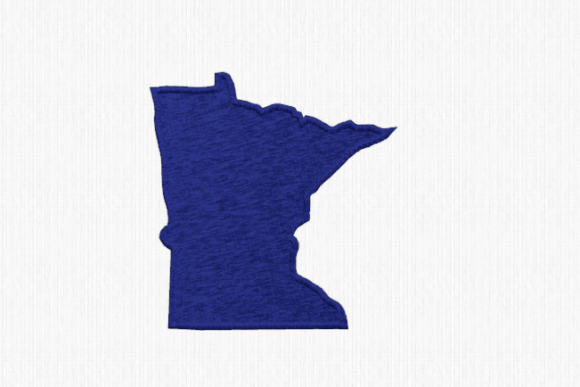
Opening the embroidery file, I immediately noticed the silhouette of the state was well-proportioned. The shape is instantly recognizable, with clean contours that don't overcomplicate the stitching path. What stood out was the decorative personality of the piece. It leans cheerful and slightly whimsical, with a visual mood that suits personalized gift projects, seasonal market prep, and lighthearted home décor rather than formal or corporate branding work. The detailing feels intentional without being overly dense, which is something I always watch for because excessive stitch density can turn a promising design into a frustrating sew-out on anything beyond basic cotton.
From a designer's perspective, the Minnesota motif sits comfortably in the North America regional category, but what makes it useful is the versatility. It doesn't scream tourist souvenir. Instead, it reads as a thoughtful nod to home, which opens up far more product possibilities than a generic flag or map outline might.
What Kind of Projects Fit This Design Naturally
After examining the stitch structure and overall scale, I mentally placed this Minnesota design into several product categories I sell regularly. The first and most obvious fit is custom apparel, especially sweatshirts and casual tees where the cheerful character of the design softens the silhouette. I can see this working beautifully on a tote bag design as well, particularly those natural canvas totes that shoppers use for farmers' markets or beach days. The design has enough presence to hold its own on a larger blank without demanding an oversized hoop size.
Sweatshirt embroidery is another strong match. The motif offers enough coverage to look intentional on a crewneck or hoodie chest placement. For buyers who want something regional but not aggressive, this strikes a nice balance. I also considered aprons and kitchen towels, where the bright and cheery description genuinely matches the stitching personality. A half-apron with this design placed off-center or near the pocket would catch eyes at a craft fair or boutique display.
For smaller accessory work, an embroidered patch version could work if you have the patience to finish edges cleanly. The shape lends itself to a freestanding patch that buyers might sew onto backpacks, jean jackets, or baseball caps. Speaking of caps, I'd caution that curved cap surfaces require careful hooping and placement testing. The horizontal span of a state outline can distort if you aren't mindful of the cap's center seam and curvature. I'd recommend a test run on a scrap cap panel before committing to a customer order.
Performance Considerations for Real Embroidery Work
Every experienced stitcher knows that a design can look flawless on screen and still misbehave on fabric. With Minnesota, I paid attention to potential trouble spots. The outline appears to use a combination of satin stitch and fill stitch areas, which is typical for regional silhouette designs. The key is checking whether internal details become too small for clean rendering on textured fabric or stretchy fabric like jersey knits. I always advise testing on a fabric swatch that matches the final blank as closely as possible.
Stabilizer choice matters here. For towels and anything with pile, a medium-weight cutaway stabilizer plus a water-soluble topper will prevent stitches from sinking into the fabric loops. For stretchy apparel blanks, a firm cutaway is non-negotiable. I'd also recommend basting the fabric to the stabilizer to prevent shifting during the sew-out, especially if your hoop size is close to the design boundaries.
One thing I looked for was tiny lettering. If the Minnesota design includes any small text elements, those can become problematic on dark fabric where thread contrast makes every inconsistency visible. From what I reviewed, the decorative nature of this piece relies more on shape and internal motif than on text, which is actually a strength. Fewer tiny details mean fewer chances for customer disappointment and returns.
Products that need frequent washing, like baby blankets or kitchen towels, require extra attention to stitch density. Dense fills can feel stiff and may not soften with washing the way a lighter fill does. I'd recommend running a wash test on your first sample piece. Check for any thread breaks, puckering, or distortion after a warm wash and tumble dry. This is especially important for baby items, where softness against skin directly affects buyer satisfaction and repeat business.
How Minnesota Can Strengthen Your Product Line
From a selling perspective, Minnesota offers specific advantages for Etsy listings, boutique merchandise, and handmade gifts. The regional appeal creates built-in buyer interest. Someone shopping for a Minnesota-themed graduation gift, a move-away present, or a cabin-warming token doesn't need to be convinced of the concept. They're already emotionally invested. Your job is to present the finished piece well, and a crisp, well-stitched design makes that far easier.
Product photography benefits from designs with clear shapes. The state silhouette photographs well on flat lays and styled shots, allowing buyers to immediately understand what they're purchasing. For sellers who use printable mockup images in their listings, a clean embroidery design translates better to digital previews than something overly intricate that loses clarity when scaled for thumbnail browsing.
Brand consistency matters if you're building a handmade shop identity. Adding state-themed designs to your catalog signals that you offer geographic personalization, which pairs well with monogramming, name personalization, and custom location requests. The Minnesota design can sit alongside other state or regional digital embroidery files to create a cohesive collection that buyers browse as a series.
Practical Stitching Advice Before You Sell
Before you list a finished Minnesota product, test thoroughly. I keep a dedicated pile of scrap fabric in cotton, canvas, fleece, and jersey specifically for sample runs. Test on scrap fabric first, matching the color and weight to your intended blank. Check thread color contrast against light, medium, and dark backgrounds. What works on natural canvas might disappear on a dark navy sweatshirt or look harsh on a pastel baby blanket.
Review the stitch sequence carefully during your test sew-out. Look for any sections where the needle jumps across open areas, which can create loose threads on the back that catch during wear. Inspect small details after stitching to confirm that internal decorative elements read clearly. A design that looks charming in the Creative Fabrica embroidery preview may need slight tension adjustments on your specific machine, thread, and fabric combination.
I also strongly recommend comparing how the design looks on light and dark fabric mockups side by side. Thread colors that pop on white can feel muted on charcoal gray. If you're stitching for inventory rather than made-to-order, produce samples in both tonal ranges so buyers can see the difference before purchasing.
Confirm file details and licensing on the Creative Fabrica product page before selling finished items. While many digital embroidery file purchases include commercial embroidery usage rights, the specifics depend on your subscription level and the individual product terms. Don't assume. Check. This protects your business and respects the designer's work.
Who Should Download Minnesota
This embroidery design suits sellers who focus on regional gift markets, cabin-themed décor, Midwest pride apparel, and personalized home textiles. If your customer base includes people buying handmade products for lake house hosts, new Minnesota transplants, or college send-offs, Minnesota fits naturally into your catalog. It also works for apparel decorators who offer on-site customization at events and need designs that stitch quickly and cleanly without excessive thread changes.
For Etsy sellers and creative entrepreneurs building product photography portfolios, this design photographs well and pairs easily with complementary text or coordinate motifs. Consider bundling it with other Midwestern state designs or offering it as part of a custom location series where buyers choose their preferred state and product combination.
The cheerful mood described in the Minnesota product description genuinely comes through in the stitching personality. It's not a formal, archival-style map rendering. It's warmer, friendlier, and better suited to handmade gifts that feel personal rather than institutional. That distinction matters when a customer places an order for a memory gift or a move-away keepsake. The emotional tone of the stitching contributes directly to giftability and customer engagement.
Final Considerations for Real Project Use
After evaluating Minnesota from testing through finished sample, I see it as a reliable design for everyday commercial embroidery work. It stitches cleanly on stable fabrics with proper stabilizer, offers enough visual interest to justify a product listing, and taps into evergreen regional demand. For small business owners and crafters looking to expand their geographic offerings without complicated multi-hoop designs, this is a straightforward, market-ready option.
Pay attention to hoop size compatibility with your most-used blanks, test across fabric types before committing to bulk production, and always verify the current licensing terms directly on the product page. A thoughtful test process turns a decent design asset into a reliable finished product that builds buyer trust and protects your shop reputation.