Decorative Tricolor Flowers
A Designer’s First Glance: Light, Lively, and Thoughtfully Balanced
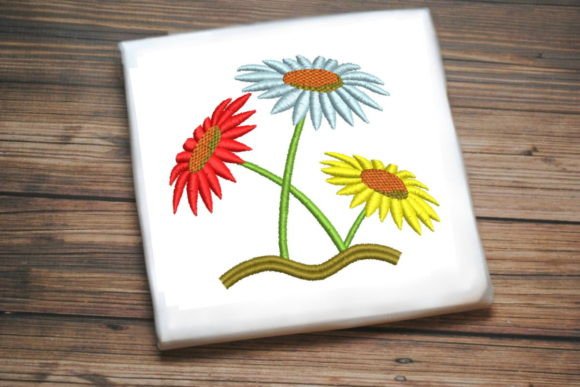
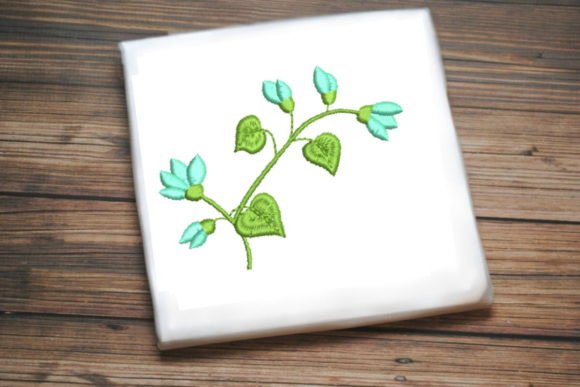
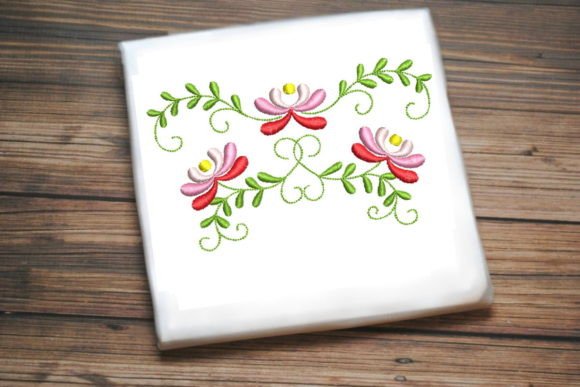
When I opened Decorative Tricolor Flowers in my embroidery software, what struck me first wasn’t just the color palette—but the breathing room. Three distinct floral shapes, each with subtle variation in petal curve and stem rhythm, arranged in a loose bouquet without overcrowding. It doesn’t scream “busy.” Instead, it invites the eye to linger on texture: soft satin-stitched petals, gentle fill-stitch centers, and delicate running-stitch stems that suggest movement, not rigidity. This isn’t a dense, high-stitch-count machine embroidery design built for showy bling—it’s a confident, wearable composition. It feels like something you’d stitch onto a linen tea towel for a friend’s housewarming, or a baby onesie where softness and clarity matter more than flash.
Real-World Test: Stitching It Onto a Linen-Cotton Tote Bag
Last week, I used Decorative Tricolor Flowers as the centerpiece for a small-batch run of handmade tote bags—linen-cotton blend, medium weight, slightly textured surface. I hooped it with medium tear-away stabilizer (no cutaway needed here—the stitch density is moderate, not aggressive), and chose matte cotton threads in sage, terracotta, and buttercream. The result? Crisp definition, zero puckering, and a tactile elegance that elevated the entire piece. Customers didn’t just say “pretty”—they paused, traced the outline with their fingers, and asked, “Is this hand-stitched?” That’s the quiet power of a well-balanced embroidery file: it reads as intentional, not automated.
Where It Shines—and Where to Pause
Decorative Tricolor Flowers excels in contexts where warmth and approachability matter: custom apparel like relaxed-fit sweatshirts and lightweight t-shirts, embroidered patches for denim jackets, pillow covers for nurseries, and kitchen towels meant for daily use. Its open layout makes it forgiving on slightly curved surfaces—like the front panel of a structured cap or the rounded seam of an apron pocket. As a holiday embroidery option, it reads gently festive without leaning into cliché: think Easter brunch napkins or Mother’s Day tea towel sets.
That said, I’d avoid using it at under 3 inches wide on stretchy fabrics like jersey or thin knits—those delicate stems need stable ground. On dark fabric, test thread contrast carefully: light pastels can fade visually unless you add a subtle underlay or switch to slightly richer tones. And while it works beautifully on baby embroidery projects, skip placing it directly over seams or elastic hems where distortion could blur those fine running-stitch lines.
What It Adds to Your Finished Product—Beyond Aesthetics
This design quietly lifts perceived value. Because the composition feels curated—not generic—it reinforces trust in your craft business. An Etsy seller using Decorative Tricolor Flowers on personalized gifts signals attention to detail, not just speed. For boutique branding, it pairs effortlessly with minimalist typography in mockups, helping your digital embroidery file stand out in a crowded marketplace. And because it avoids excessive density, it holds up across wash cycles better than tightly packed fill-stitch bouquets—critical for kitchen or baby items customers actually use.
It also supports brand consistency without locking you in. Swap thread colors to match seasonal palettes (navy + ochre + cream for fall; mint + coral + ivory for spring), and the core shape remains recognizable—ideal for small shop product lines where cohesion matters but repetition feels stale.
Practical Notes Every Embroidery Designer Should Check
- Test first—always stitch Decorative Tricolor Flowers on scrap fabric matching your final project’s weight and texture.
- Review stitch density in your software: look for smooth transitions between satin and fill areas—no abrupt jumps that might snag on brushed fabrics.
- Confirm hoop size before digitizing for production. While it scales well, going below 4 inches may soften petal definition.
- Inspect small details at 200% zoom: check stem endpoints, petal tips, and negative space between blooms—these define clarity.
- Mock it in black and white to assess contrast and hierarchy. If shapes flatten or merge, adjust thread values before stitching.
- Compare light vs. dark backgrounds using printable mockups—especially if listing on Etsy or building a digital product preview gallery.
- Use proper stabilizer: medium-weight tear-away for stable wovens, lightweight cutaway for knits or loosely woven linens.
- Verify licensing before selling finished items or bundling Decorative Tricolor Flowers as part of a commercial embroidery collection.
Final Thought: A Design That Serves the Maker—and the Wearer
Many bouquet-style embroidery files feel like filler—pretty, but forgettable. Decorative Tricolor Flowers avoids that trap by balancing simplicity with personality. It’s not trying to be everything. It’s a focused, joyful accent—one that looks equally at home on a child’s sunhat and a ceramicist’s studio apron. As a designer who ships real orders and hears from real customers, I appreciate how rarely it needs tweaking: no re-digitizing, no added underlay, no panic over skipped stitches. Just clean, confident stitching—and the kind of quiet satisfaction that reminds you why you started making things by hand in the first place.