Reviewing 'Lucky' for Small Business Merch & Patches
First Impression: Playful, Heartfelt, and Deceptively Simple
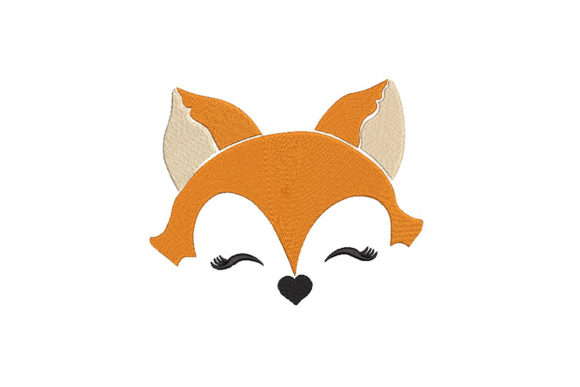
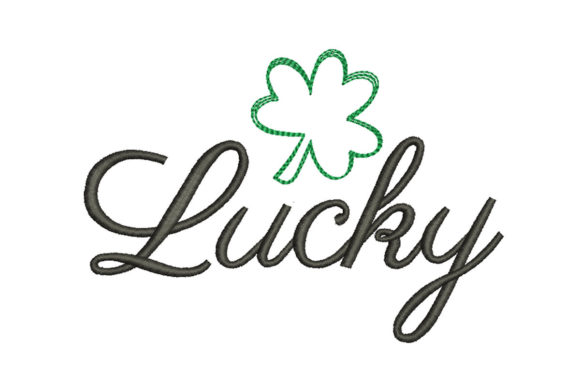
When I first opened Lucky, I was greeted by a design that knows exactly what it wants to be: friendly, approachable, and instantly readable. It leans into a cute and simple aesthetic that doesn't try to overcomplicate the message. That matters tremendously for small business merch. Over-designed motifs often lose legibility at patch size; Lucky avoids this trap. The personality feels optimistic and gentle, the kind of accent that could live comfortably on a coffee shop apron, a bookstore tote, or a boutique's tissue paper sticker without shouting. From a pure brand identity angle, this is a chameleon that adds warmth instead of noise.
The thematic link to St Patrick S Day is obvious—a lucky accent works brilliantly for seasonal gift drops—but I immediately saw its year-round potential. A small bakery could stitch this onto pastry boxes. A pet brand could turn it into a collar patch. It doesn't scream “holiday only”; it whispers “good fortune” on repeat. That longevity transforms Lucky from a one-off novelty into a reusable machine embroidery design you can pull from your library again and again.
How 'Lucky' Performs in Real Small Business Use
I test designs by visualizing them on the merchandise my clients actually sell. For Lucky, that mental test passed immediately. Picture a local florist: a small embroidered patch of this design sewn onto denim work aprons. Suddenly, the staff uniform carries a signature mark that feels intentional, not sterile. Or imagine a handmade candle brand using Lucky as a chest accent on a crewneck for a limited drop—the connection between “lucky” and a scent that evokes coziness is emotional, not forced. This is where custom apparel stops being a utility expense and starts becoming a brand asset.
On cap embroidery, the design's simplicity shines. The center front of a structured cap is a notoriously tricky, curved surface. Many detailed designs pucker or lose clarity. Lucky, with what appears to be a clean silhouette and minimal internal clutter, sits flat and reads well even from a few feet away. For a micro roastery or a craft brewery putting their name beside it, the result is a professional-looking finished product that people actually want to wear.
On tote bag design, the scale becomes a gift. Because the motif is likely compact, it can be placed as a corner accent, a small center logo alternative, or even repeated in a pattern. That flexibility means one embroidery file can serve multiple product lines without expensive re-digitizing. Etsy sellers building product photography around a cohesive visual theme will love how easily Lucky integrates into a flat lay or hanging mockup.
Why This Works as a Branded Patch
Patches are a cornerstone of handmade product presentation. When I evaluate a digital embroidery file for patch conversion, I look for bold outlines, minimal tiny detail, and a shape that holds its own when cut away from the fabric. Lucky appears to have these qualities. The design is likely self-contained, meaning you can hoop a sturdy felt or twill, stitch out, and then heat-seal or sew onto jackets, tote straps, or even leather journal covers. A patch made from Lucky feels like a collector's item—a little talisman included with a purchase that elevates the whole unboxing experience.
Ideal Applications for Boutique and Event Merch
- Apron embroidery for cafes, bakeries, or flower shops wanting a soft, branded mark near the bib or pocket.
- Cap embroidery on dad hats or five-panels, where a small centered motif brings an everyday accessory to life.
- Tote bag design as a bottom-corner detail on organic cotton bags, paired with your shop name in simple text.
- Staff uniforms—think linen shirts for a boutique, where Lucky replaces a stiff corporate logo with something human.
- Customer gifts like mini hoop art, stitched on fabric swatches, or included as a patch in a thank-you envelope.
- Product packaging accents stitched onto fabric pouches or wrap bands for candles, soaps, or textile goods.
- Event merch for pop-ups, markets, or St Patrick S Day themed launches that still feel curated.
Where to Use 'Lucky' with Care and Precision
Even a well-built machine embroidery design has its stress points. With Lucky, I would approach extremely tiny sizing cautiously. If you plan to shrink this below about 1.5 inches in width, inspect the stitch preview carefully. Small enclosed areas can bunch up if the stitch density isn't optimized for miniature scale. On highly textured fabrics like thick wool or loopback french terry, the smooth outer edge might lose some crispness—always test on a swatch first.
Dark uniforms present a contrast challenge. If the original design uses light, pastel thread colors, they may recede on black or navy. Flip the color palette mentally: perhaps a metallic gold or bright white version would preserve the lucky charm vibe while staying visible. Also, avoid placing Lucky over heavy seams on caps or across zipper plackets; any embroidery hitting uneven terrain will distort, and this design's appeal relies on a clean shape. Lastly, if the file includes very fine lettering or ultra-small details—though from the description it seems cleanly simple—double-check that those elements render well on a sample run before committing to a 50-piece uniform order.
How 'Lucky' Shapes Brand Identity and Customer Trust
A thoughtful embroidery choice does far more than decorate. It signals that a business cares about the tactile experience. When a customer receives a tote with a well-stitched Lucky design, they associate that quality with everything the brand sells. That's the power of a cohesive design asset. Unlike a printed logo that fades, embroidery ages gracefully, softens and acquires a vintage feel that people hold onto. The word “lucky” itself triggers positive emotion—a clever psychological layer that can increase buyer engagement and even word-of-mouth sharing.
For an Etsy seller, this emotional resonance is gold. A shop that uses Lucky on packaging inserts or as part of a logo lockup builds instant visual recognition. A craft business that sews it onto every handmade journal or pouch creates a finished product that looks intentionally branded, not DIY. Even a local boutique can use Lucky like a modern crest, embroidering it on window display fabric, hang tags, or team caps. The design becomes part of the store's atmosphere—and that's where professionalism and customer trust quietly take root.
Practical Embroidery Designer Notes for Flawless Results
Over years of running commercial embroidery projects, I've developed a checklist that saves time and wasted blanks. Here's how I'd apply that to Lucky before it ever touches a customer's garment:
- Always test on the actual fabric you'll sell, not just a smooth poly scrap. If the design is going onto a textured apron or a washed canvas tote, run a stitch-out on that exact material to see how the thread lays.
- Black-and-white test first. Print a paper version of the design at 100% size. If the silhouette is still readable without color, you have a strong, versatile shape. Lucky should pass this easily.
- Review thread color contrast. Choose colors that pop without clashing. Even a “cute” design needs distinction between elements. Consider using a slightly darker outline thread to make the motif crisp on light surfaces.
- Inspect spacing and underlay. Open the embroidery file in your software and look for adequate pull compensation and proper underlay. A simple design still needs a solid foundation to avoid shifting during stitching.
- Confirm hoop size requirements. The product description mentions multiple machine embroidery file formats, but you'll want to verify the minimum and maximum hoop dimensions. Don't assume; measure.
- Stitch a patch prototype early. If patch production is the goal, sew one immediately on twill with a dense edge. Assess how the satin border interacts with the central motif. Adjust if necessary.
- Use the right stabilizer. For caps, use a heavy cutaway. For lightweight jersey aprons, a no-show mesh cutaway prevents see-through. For tote bags, a medium tear-away keeps the back clean. Stabilizer is the secret backbone.
- Create a printable mockup for client approval. Even if a design looks perfect digitally, a client needs to see it on a photo of their actual product. I always overlay a realistic stitch preview onto a blank shirt or cap image—this closes approval loops faster and avoids production surprises.
- Check commercial licensing terms. The description mentions suitability for gifts and St Patrick S Day, but before you plaster Lucky across 200 units of branded merch, ensure the commercial embroidery usage is allowed. If the listing doesn't state it, reach out and confirm.
- Compare it beside other design assets. Place Lucky next to your existing logo or secondary marks. Do they feel related? If not, consider a consistent thread palette or placement grid across your product line to maintain visual harmony.
Building a Cohesive Merch Collection Around 'Lucky'
One design often unlocks a whole product category. I've seen coffee shops take a simple motif like Lucky and build a mini-capsule: a cream canvas tote with the design on the side, a matching cap in charcoal with a subtle tone-on-tone stitch, and a set of linen napkins with the motif tucked into the corner. This kind of repetition builds a brand's visual vocabulary without demanding a huge investment in digitizing multiple files.
For craft business owners, think about the dimension of delight. A customer who buys a ceramic mug might not expect an embroidered fabric tag tied to the handle. That tiny detail, with Lucky stitched onto a small organic cotton label, transforms the packaging into something save-worthy. These micro-moments are what drive reviews and repeat buyers on platforms like Etsy.
Year-Round Value Beyond One Holiday
While the immediate connection is St Patrick S Day, pigeonholing Lucky into just March is a creative mistake. The word carries universal positive meaning. A wellness brand can use it as a subtle reminder of mindfulness. A children's boutique can see it as a playful keepsake. A bridal studio might stitch Lucky inside garment seams as a hidden “something old, something new” detail. The more you separate the design from its seasonal origin in your own mind, the more uses you'll find. That flexibility is what makes a machine embroidery design a lasting investment, not a disposable trend piece.
Final Stitch-Out Thoughts
As someone who has digitized and tested thousands of embroidery files, I look for a rare quality: the ability to do one thing exceptionally well without overpromising. Lucky does that. It is simple and cute, yes, but it's also built on a visual clarity that small businesses need. Whether you run an embroidery shop handling bulk orders for uniforms or a boutique creator hand-sewing patches into your products, this design earns its place. Test it on a few blanks first, dial in your thread choices, and then watch how a small stitched accent can carry more weight than a much larger logo. That quiet impact is exactly what smart branding through embroidery should achieve.