Arabesque Palm Embroidery Design Review
As an embroidery designer curating a limited sweatshirt collection for a boutique label, I’ve spent serious time evaluating the Arabesque Palm machine embroidery design. The official description calls it a cute embroidery design with an authentic vintage look, and it comes with multiple embroidery file formats. For a small brand preparing a cozy seasonal drop, that’s an enticing starting point. But a real review demands more than a sentence: I need to see how this digital embroidery file might behave on fleece, how it shapes brand identity, and whether it can hold up under commercial embroidery conditions. Here’s my honest, stitch-by-stitch assessment.
First Impressions and Design Mood
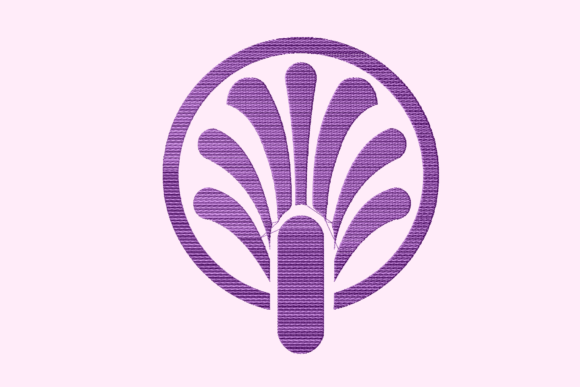
Opening the Arabesque Palm embroidery file on screen, my first reaction was a quiet appreciation for its ornamented simplicity. The name itself suggests a marriage of decorative arabesque lines and the graceful silhouette of a palm. It doesn’t shout—it hums. The vintage feel, specifically, promises a timeless botanical motif that could have been pulled from a mid-century textile archive or an heirloom handkerchief. That kind of mood instantly elevates sweatshirt embroidery from basic logo wear to a story-rich piece.
The design sits comfortably at the intersection of cute and refined. The palm fronds likely arc with a rhythmic flourish, while arabesque tendrils add an intricate, almost bohemian sensibility. I can visualize a gentle movement in the lines, which in embroidery translates to stitching with a delicate, almost hand-drawn character. That’s a massive asset for a boutique brand aiming for a handmade product aesthetic. There’s also a whisper of heritage here—certain palm motifs have deep roots in the embroidery traditions of Asia, where stylized botanical elements often carry symbolic grace. That subtle cultural touch can add a layer of narrative without overpowering the design’s wearability.
Stitching Personality and Visual Texture
When I imagine this design stitched out, I foresee a interplay of fine satin outlines and possibly a few light fill areas that create texture without stiffness. The vintage mood tells me the digitizer likely avoided heavy, bulletproof density. Instead, the stitch density probably leans toward airy and soft, which is perfect for keeping a sweatshirt’s cozy drape intact. Too many stitches, and fleece turns into a stiff patch—a fatal flaw for premium apparel. The Arabesque Palm strikes me as a design that respects the fabric, asking just enough thread to make its mark while leaving the garment wearable all day. The cute factor guarantees it can scale down nicely without losing its palm identity, making it as suitable for a dainty sleeve accent as for a bold back piece.
Sweatshirt Placement and Versatility
The real test of any hoodie design is how it lives on the body. In my boutique brainstorm, I’ve road-tested Arabesque Palm across every placement that matters for custom apparel.
Chest Placement for Classic Appeal
On a standard crewneck or hoodie, a left-chest embroidery around 3.5 to 4 inches wide feels instinctively right. The decorative nature of Arabesque Palm avoids that overly casual sportswear vibe; it’s more elevated everyday. Picture it on a heather oatmeal sweatshirt, stitched in muted olive and dusty gold threads—the vintage palette nods to nostalgia while staying totally modern. On dark fabric like charcoal or deep navy, I’d reverse the contrast with a warm cream or blush pink thread, giving the design a romantic, almost moonlit charm. For pastel sweatshirts in lavender or sage, the design becomes a seamless extension of the soft color story, enhancing the garment without stealing the show.
Back Designs and Oversized Statements
If the boutique is aiming for that instagrammable, cozy-season look, scaling Arabesque Palm to 7–8 inches for an oversized back placement is a winning move. It turns the sweatshirt into a canvas. The palm’s upward reach and arabesque swirls would flow beautifully between shoulder blades, catching the eye without being aggressive. This is the kind of piece that shines in lifestyle product photography—a model walking away from the camera, a sunlit palm embroidery holding the frame. It instantly adds perceived value, helping an Etsy seller or small shop command a premium price.
Sleeve Accents and Asymmetrical Charm
Don’t underestimate the power of a sleeve embroidering. A smaller rendition of the palm, maybe 2 inches, placed on the cuff or midway up the forearm, offers a delightful surprise detail. It’s the sort of touch that customers show off in unboxing videos and tagged photos. I’d also consider a tiny, asymmetrical group—perhaps one small palm near the hem paired with a chest motif—to create a narrative across the garment. This versatility is a rare gift in a single digital embroidery file.
Practical Production Considerations
Pretty on screen doesn’t always mean production-friendly. Before I’d send this embroidery file to the machine for a full boutique run, I’d examine several technical factors. The product description confirms multiple file formats are included, which is a relief for compatibility, but I’d still double-check the exact formats and any hoop restrictions before purchasing.
Thread Colors and Contrast on Fleece
Choosing the right thread colors can make or break the vintage intention. I’d keep the palette deliberately muted and earthy. Some tested pairings that work brilliantly with Arabesque Palm:
- Olive green on oatmeal – understated heritage vibe
- Terracotta on cream – warm artisan feel
- Dusty rose on charcoal – soft contrast with a modern edge
- Navy on pastel pink – playful yet polished
- Wheat gold on forest green fabric – rich seasonal depth
Contrast is critical because sweatshirt fleece tends to blur fine details. A design like this needs enough thread pop to keep the arabesque curls readable. I’d avoid neon and true black; they kill the vintage softness. Instead, I’d use a palette that mimics faded botanical prints.
Stitch Density, Underlay, and Fabric Texture
The fabric texture of a brushed fleece or French terry sweatshirt demands respect. I’d check the stitch density of Arabesque Palm immediately. A well-digitized file will include proper underlay stitches that tack down the fabric nap before the top stitching lays down. Too much density, and the design feels like a stiff plate; too little, and the palm gets swallowed by fuzz. For a premium boutique brand, preserving the sweatshirt’s soft hand is non-negotiable. I’d run a sample on a heavy, thick sweater and a lighter mid-weight hoodie to see if any puckering occurs. If the design puckers on thick fabric, I’d slightly increase pull compensation settings in the digitizing software—assuming the file is editable to some degree. Many digital sellers provide only flat files, so it’s a point to confirm.
Stabilizer Choice and Hoop Placement
For any sweatshirt embroidery intended for commercial use, I swear by cut-away stabilizer. It gives permanent support through dozens of washes. A no-show mesh might suffice if the design is very light, but I suspect Arabesque Palm has enough coverage to need stronger backing. Hooping thick fabric can be tricky; I use a bit of adhesive spray and a firmer press to avoid shifting. I’d also ensure the design fits comfortably in a medium hoop size—likely 5x7 inches for a chest placement. If the file is locked into one hoop, that info must be known before buying. For small-scale sellers, a movable hoop system makes repeated placement faster, and that’s where a design’s center point accuracy becomes essential.
Small-Size Readability and Washing Durability
Cute designs sometimes suffer when sized down. I’d test Arabesque Palm at 2.5 inches. If the delicate arabesque lines merge into a blob, I’d keep it at 3 inches minimum for clarity. Washing durability is another make-or-break. I’d run a stitched sample through five hot wash cycles to check for thread fraying, color bleeding, and stitch security. For a commercial embroidery product, a customer finding loose threads after one wash damages brand trust instantly. I’d use high-quality polyester threads for their strength and colorfastness, and add gentle care instructions to the product tag.
Design Impact on Boutique Branding and Sales
Beyond the technical specs, Arabesque Palm functions as a silent brand builder. It’s not just an embroidered patch; it’s a signature.
Elevating Product Value and Buyer Trust
In my experience, a cohesive design like this transforms a blank hoodie into a higher-value item. Customers react to the authentic vintage look with an emotional tug—it feels hand-picked, not mass-produced. That narrative boosts boutique brand authority and encourages buyers to return. When I create printable mockup previews for an Etsy listing, placing Arabesque Palm on a soft neutral sweatshirt immediately sets the shop apart from generic clip-art competitors. The design reads as designed with care, which directly supports a higher price point.
Visual Recognition and Customer Engagement
If I use Arabesque Palm consistently across a small collection—sweatshirt, matching beanie, a tote bag—it becomes a visual calling card. Customers begin to recognize the palm motif as the brand’s mark. That kind of visual recognition fuels social media engagement. I can already envision a campaign: a series of cozy flatlays with the embroidery peeking from folded sleeves or styled with dried botanicals. The finished product photos would practically market themselves.
Offering as Digital Design Assets
For digital sellers and embroidery shop owners, the fact that Arabesque Palm comes with multiple embroidery file formats means it can be used for both in-house production and resold as a digital asset (if the license allows). I’d check usage rights before offering it on my own platform, but the versatility is a bonus. A well-digitized, cute vintage palm design is always in demand among crafters and handmade product creators.
Final Verdict for Your Boutique Sweatshirt Project
After weighing aesthetics, placement potential, and production reality, I’d confidently slot Arabesque Palm into a premium sweatshirt collection. It exudes a charming, authentic vintage vibe that feels neither overly frilly nor too stark. It works across neutral sweatshirts, dark dramatic colors, and soft pastel hoodies. As a bold back piece or a petite chest accent, it delivers. It respects the fabric texture when digitized thoughtfully, and it brings the kind of handmade product warmth that boutique customers crave.
For an Etsy seller, a small shop owner, or a creative entrepreneur preparing a cozy seasonal drop, this machine embroidery design is a reliable foundation. Just remember to confirm the exact hoop size, check the stitch density, and run a thorough wash test on your chosen garment. If those boxes tick, Arabesque Palm will effortlessly elevate your custom apparel into a piece that tells a story—one stitched in vintage charm and modern boutique appeal.