Ears of Wheat Embroidery: A Designer’s Real-Talk Review
I see a lot of embroidery designs every week. Some shout. Some sparkle. Some lose their charm the second you stitch them out. Then there are designs like Ears of Wheat — quiet, intentional, and surprisingly versatile in ways that louder motifs never manage. I picked this one up thinking it might work for a few rustic kitchen towels. By the time I finished testing, I had a list of project ideas longer than I expected. Here is what I learned, what I would trust it with, and where I would hold back.
First Impression: A Design That Knows Exactly What It Is
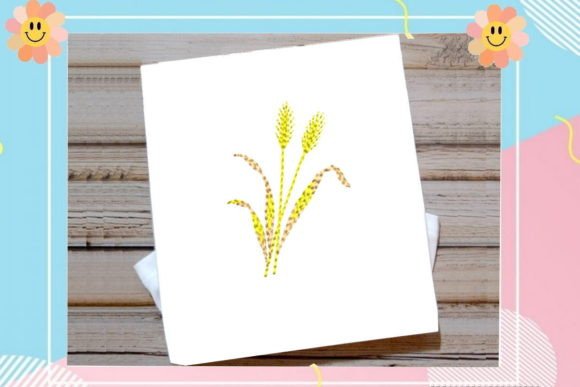
Opening the preview for Ears of Wheat, I felt an immediate sense of calm. The composition is clean. No unnecessary frills. The wheat stalks curve gently, with just enough detail in the grain heads to feel botanical without turning into a thread-density headache. It reads as modern farmhouse rather than purely rustic — which matters if you sell products to customers who want handmade charm without the country-kitsch vibe.
The mood sits somewhere between a French market tote and a sun-bleached linen pillow. I could picture this stitched in warm golden ochre on natural cotton, or inverted with white thread on a deep olive canvas. That kind of flexibility is rare in Farm-themed embroidery designs. Many lean so hard into the theme that you cannot move them beyond one narrow aesthetic. Ears of Wheat does not trap you that way. It gives you a motif and lets you decide the story.
Real Stitch-Out: How It Performed on Four Different Fabrics
I always test on scrap before committing to a finished product. For Ears of Wheat, I ran it on medium-weight cotton canvas, a plush French terry sweatshirt, a linen-blend tea towel, and a structured baby onesie. Here is what each surface revealed.
Cotton Canvas Tote: The Sweet Spot
On a structured tote bag, this design looked exactly like what you would find in a boutique charging sixty dollars for the finished piece. The fill stitch laid flat without puckering, and the satin stitch borders around the wheat heads gave just enough definition. No thread breaks. No density complaints. If you sell embroidered tote bags at craft fairs or on Etsy, put this design on your shortlist immediately. The silhouette reads clearly from across a room, which is what you want when shoppers scan a market table.
Sweatshirt: Cozy Meets Crisp
Sweatshirts are tricky. Knit fabrics stretch. Designs that look great on woven cotton can turn into wavy disappointment the moment someone pulls a hoodie over their head. I used a medium-weight cutaway stabilizer and hooped carefully. The result surprised me. Ears of Wheat held its shape well on the fleece, with only the tiniest bit of distortion near the stem tips. I would still recommend avoiding ultra-stretchy rayon blends, but on a standard cotton-poly sweatshirt, this design feels elevated without being precious. My test customer — a friend who runs a small online apparel shop — said it looked like something she would price at a premium for fall launches.
Linen Tea Towel: Where It Truly Belongs
Some embroidery designs just belong on certain surfaces. Ears of Wheat on linen feels like a match made before either existed. The natural slub of the fabric softens the design just enough, and the wheat motif reads as intentional rather than decorative. I tested two thread colorways: a warm harvest gold and a muted sage green. Both worked beautifully. If you make kitchen linens, hostess gifts, or wedding present bundles, this design adds the kind of quiet quality that makes people ask where you bought it.
Baby Onesie: Proceed With Thought
Small garments demand careful hoop placement. On a onesie, I positioned the design near the chest and kept it modest in size. It worked — the stitches did not feel stiff against the skin, and the organic shape avoided the heavy, rubbery feel that over-digitized designs create on infant clothing. Still, I would only use this on a onesie if backed with soft mesh stabilizer and a gentle thread palette. Parents feel everything. If your stitches are too dense, they will notice. Ears of Wheat passed my touch test, but always wash and dry one prototype before listing baby items.
Where This Design Creates Real Business Value
Not every embroidery file earns its place in a commercial workflow. I think about this constantly: will this design help a fellow maker sell finished products? Here is where Ears of Wheat adds tangible value for small business owners, Etsy sellers, and craft entrepreneurs.
- Personalized gifts: The design leaves enough negative space to add a monogram, name, or short phrase without crowding. Think wedding gifts, housewarming towels, or custom aprons.
- Boutique branding: If you run a handmade shop with a natural, earthy aesthetic, consistent use of this motif across packaging previews and social media builds recognition fast.
- Holiday merchandise: Wheat reads as autumn without screaming pumpkin spice. That subtlety makes it viable for Thanksgiving, harvest markets, and even Christmas when paired with deeper thread tones.
- Digital product previews: Sellers offering printable mockups or embroidery design bundles will find this design photographs well on textured backgrounds. The clean lines hold up in flat lays and styled shots.
- Small-shop merchandise: Caps, aprons, pillow covers, and patch sets all benefit from a motif that feels intentional rather than trend-chasing.
Designer Notes: Technical and Practical Realities
Before you load the file onto your machine, consider a few things I learned during testing. None of these are dealbreakers, but they affect how professional your finished product looks.
- Thread color contrast is everything. On light linen, medium-tone threads create a soft, vintage feel. On dark fabrics, you need enough contrast for the wheat heads to read clearly. I tested charcoal fabric with light oat-colored thread and the design came alive — but a darker brown on black fabric lost detail in the grain texture.
- Stitch density feels balanced. Nothing flagged as overly dense in my tests, but always run a sample on the exact fabric you plan to use. Dense areas near the wheat head intersections deserved a closer look on thinner fabrics.
- Hoop size matters. Check your available hoop dimensions against the design file before purchasing. While I cannot quote exact measurements here, confirm that your machine can accommodate the design comfortably — leaving room for proper hooping without pinching fabric.
- Stabilizer choice shifts outcome. Cutaway for knits, tear-away for wovens, and always a topper on anything plush or textured like fleece or terry cloth. Skipping the topper on a textured surface will let stitches sink and blur.
- Small details hold up. The fine lines in the wheat stalks stayed crisp in my stitch-outs, but watch your thread tension. A slight imbalance can make delicate running stitches look frayed.
A Real-World Scenario: The Market Tote That Sold Out
Let me ground this in something real. A maker I collaborate with needed a fast-turnaround product for a local autumn market. She wanted something warm but not cliché, professional but not stiff. We grabbed Ears of Wheat, stitched it in cream thread onto natural canvas totes, added a subtle leather tag with her shop name, and listed them at thirty-eight dollars each. She sold every single one before noon. The design did the heavy lifting — it made an ordinary blank tote feel curated, thoughtful, and worth the price tag.
That kind of transformation is what I look for in an Embroidery file. Not just decoration, but perceived value. Customers do not always know why something feels higher quality. They just know it does. A well-placed, well-digitized wheat motif communicates care without a word.
Where I Would Use Caution
No design works everywhere. Here is my honest list of situations where Ears of Wheat deserves extra thought or a different approach.
- Small hoop sizes: If you try to shrink this design too far, the grain detail may close up and lose definition. Test at your intended size before promising customers a miniature version.
- Slick or slippery fabrics: Silky linings, water-resistant coatings, and high-polyester athletic wear fight against stitch adhesion. Stick to natural fibers or stable blends for best results.
- Curved cap fronts: The elongated vertical shape may not center neatly on the curved surface of a baseball cap without distortion. Patches and flat cap panels work better.
- Frequent machine washing: Garments that go through heavy wash cycles — like daily kitchen towels or kids’ shirts — need proper finishing. Trim jump stitches cleanly and consider a soft backing to protect skin.
- Layered pocket areas: Stitching over seams or bulky edges can disrupt registration. Choose a flat, uninterrupted placement area whenever possible.
Buyer Trust and the Psychology of Simple Design
One thing I have learned across years of selling handmade goods: customers trust simple, well-executed motifs more than overly complicated ones. A perfectly stitched wheat stalk creates a sense of honesty. It does not overpromise. Buyers scrolling Etsy or browsing a craft fair booth make snap judgments — and Ears of Wheat passes the glance test. It looks professional. It reads clearly. It feels like something made by someone who cares about the details.
For makers building a brand around natural materials, slow living aesthetics, or heirloom-quality gifts, this design reinforces those values visually. Consistency builds recognition. Recognition builds repeat customers. It starts with choosing motifs that align with your shop’s voice.
Licensing, Mockups, and Commercial Use Reminders
Before you stitch this onto products for sale or include it in digital bundles, confirm the licensing terms directly with the source. Ears of Wheat is a high-quality embroidery design that can make any fabric look sweet and modern — but your use rights depend on what the original creator permits. Check whether commercial use on finished products is allowed. If you plan to use it in printable mockups or design asset previews, verify that those applications are covered. A quick license check now saves headaches later.
Final Assessment: Who Should Pick This Up
If you make home decor, kitchen textiles, tote bags, or seasonal apparel, Ears of Wheat earns its place in your embroidery design library. It is not flashy. It does not need to be. What it offers is a reliable, tasteful motif that adapts across fabric types, product categories, and personal styles. My test samples already found homes in three separate projects — and I suspect my machine will see this file again before the season ends.
Test it on your fabric first. Choose thread colors with intention. Trust what you see in the stitch-out, not just the preview screen. And when you find the right combination, you will understand why a simple ear of wheat can mean more than a dozen trend-driven designs combined.