Barn Quilt 5: A Designer’s Honest Review
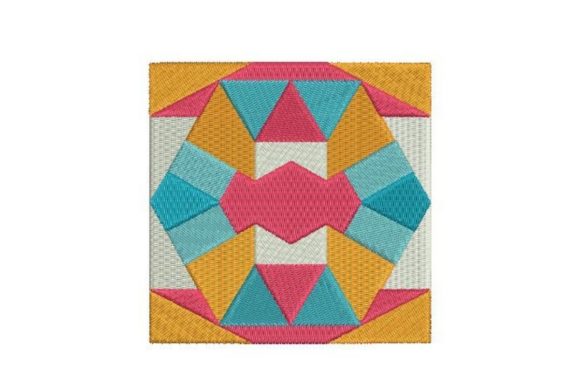
When I first opened Barn Quilt 5, I immediately recognized the kind of design that holds its own in a handmade product lineup. There is a certain quiet confidence in the geometric arrangement, the way the shapes lock into each other without feeling stiff or overly symmetrical. As someone who has stitched hundreds of embroidery files across everything from delicate baby onesies to sturdy canvas totes, I look for designs that can do more than just look pretty on a screen. I want a design that reads clearly after stitching, that holds up to customer expectations, and that gives me room to play with color and placement. Barn Quilt 5 checks those boxes from the first glance.
What strikes me about this particular barn quilt pattern is the balance between rustic charm and clean modernity. Farm-themed designs can sometimes lean too heavily into novelty territory, but this one feels grounded. The shapes suggest tradition without shouting it. That matters when you are building a cohesive brand around handmade home goods or custom apparel. Whether you stitch this on a linen pillow cover or a heavyweight apron, it has the kind of timeless appeal that does not need a specific season to sell well.
The Mood That Barn Quilt 5 Brings to a Project
There is a warmth baked into Barn Quilt 5 that I would describe as welcoming without being overly sentimental. The layout borrows from classic quilt block geometry, which instantly gives it a sense of heritage and craft. But the proportions feel slightly updated, as if someone took a traditional motif and refined it for modern interiors. That makes it versatile. I could see this stitched onto a throw pillow in a farmhouse-style living room, or equally at home on a canvas tote carried through a farmers market. It does not pigeonhole you into one aesthetic.
Color choice will heavily influence the final mood. With earthy tones like mustard, faded brick, sage green, and cream, the design leans cozy and nostalgic. Swap those for crisp navy and white, and suddenly it reads coastal or contemporary. That flexibility is something I always value as a designer because it means one embroidery file can generate multiple product variations without feeling repetitive.
Stitching It Out: What I Look For First
Before I commit any design to a client project or a batch of shop inventory, I run it on scrap fabric. With a geometric piece like Barn Quilt 5, my attention goes straight to stitch density and alignment. Geometric designs are unforgiving. If a satin stitch border pulls slightly off-registration, the eye catches it immediately. Sharp corners need to stay sharp. Straight lines must remain straight. Based on the structure of Barn Quilt 5, the design seems built with that discipline in mind. The shapes are distinct enough that a slight registration drift will not ruin the entire piece, which is something I appreciate when stitching on slightly textured fabrics like cotton canvas or linen blends.
I recommend testing the design on your chosen fabric before committing to a final product. A medium-weight woven cotton will behave very differently from a plush fleece or a ribbed knit. Barn Quilt 5 relies on clean edges for its visual impact, so you want a stabilizer that prevents shifting without adding unnecessary stiffness.
Where Barn Quilt 5 Feels Most at Home
If I were planning a product lineup around this design, I would start with home decor. The name itself points that direction, and the visual language supports it. Pillow covers are an obvious choice. A 16-inch square cover with Barn Quilt 5 centered on the front, stitched in muted floss tones against natural linen, would sit beautifully on a sofa or entryway bench. Tea towels are another natural fit. The geometric layout scales well for kitchen textiles, and customers respond to farm-themed kitchen goods year-round.
Beyond home goods, I think this design has genuine potential on apparel. A lightweight sweatshirt with Barn Quilt 5 placed on the upper chest or sleeve cuff would carry a subtle, artisan feel. It is not an aggressive design. It does not demand attention. Instead, it rewards a closer look, which is exactly what many boutique clothing buyers want. Tote bags, aprons, and unstructured jackets also come to mind. The design has enough visual weight to anchor a product without overwhelming it.
Real Project Scenario: A Custom Tote Bag Order
Let me walk through a realistic situation. A customer approaches your small shop asking for a personalized tote bag as a housewarming gift. They want something with farmhouse character, maybe in cream and charcoal tones, with the recipient’s initial added somewhere. Barn Quilt 5 immediately comes to mind. The geometric layout gives you a strong focal point, and you can position a small monogram in the center or corner without disrupting the overall composition. You stitch the design on a heavyweight cotton tote, using a cutaway stabilizer to support the stitch density through repeated use. The result is a bag that looks considered and polished, the kind of item that feels far more expensive than it actually is.
In this scenario, the design does the heavy lifting. The customer sees a finished product that blends craft tradition with modern simplicity. They feel good gifting it. The recipient uses it. That is the chain of satisfaction I am always chasing as a maker, and Barn Quilt 5 fits neatly into that workflow.
Fabric Choices and Stitch Performance
Not every fabric handles geometric embroidery gracefully. Stretchy knits can distort sharp angles if the stabilizer is not right. Highly textural fabrics like boucle or terry cloth can swallow fine details. For Barn Quilt 5, I would lean toward stable woven fabrics where possible. Cotton twill, linen, denim, duck cloth, and quilting cotton all provide a smooth foundation that helps stitches lay cleanly. If you must stitch on a knit, use a firm cutaway stabilizer and consider adding a water-soluble topper to prevent stitches from sinking into the fabric pile.
Dark fabrics deserve extra thought. The contrast between thread and background makes or breaks a design like this. On black denim or deep navy canvas, lighter thread colors will pop, but you need to ensure that the internal fill stitches are dense enough to provide solid coverage. Test a small section first. If the background fabric peeks through too much, you may need to adjust your thread choices or use a slightly darker underlay.
Small Hoop Considerations
One practical question I always ask is whether a design works well in smaller hoop sizes. Many crafters operate with a 4x4 or 5x7 hoop, and not every large-scale design scales down gracefully. Barn Quilt 5 appears structured enough that moderate scaling should preserve the essential character, but I would caution against going too small. If the individual geometric elements become too tiny, stitch definition suffers. Fine satin borders can start to blur together, and the crisp divisions that make barn quilt designs appealing can get lost. If you plan to use this on baby clothing or compact accessories, check the stitch preview at your intended size and confirm that the smallest shapes remain distinct.
Commercial Use and Etsy Seller Perspective
From a business standpoint, Barn Quilt 5 offers solid versatility for a commercial embroidery library. The farm and country aesthetic remains a consistent seller across multiple marketplaces. Etsy buyers, craft fair attendees, and boutique shoppers all recognize and trust barn quilt motifs. The design does not chase a fleeting trend, which means products featuring it can remain relevant across multiple selling seasons.
Before listing finished items made with Barn Quilt 5, verify the licensing terms included with the file. Some digital embroidery designs come with clear commercial use rights, while others require an extended license for physical product sales. This is not specific to this design, it is a habit every seller should build. Know what you are allowed to do before you invest time and materials into inventory.
I would also suggest creating multiple product mockup images if you plan to sell online. Show Barn Quilt 5 on different items: a folded tea towel, a throw pillow on a neutral sofa, a tote bag carried on a shoulder. Buyers need to visualize the scale and application. Good photography paired with a strong design builds buyer confidence and reduces the mental friction before purchase.
Thread Color Strategies That Work
Barn quilt designs thrive on contrast. With Barn Quilt 5, I would recommend building a thread palette before you even hoop the fabric. Look at traditional quilt colorways for inspiration: deep reds, ochres, slate blues, soft creams, and muted greens. Avoid colors that are too close in value, or the geometric sections will blend together and lose their distinct shapes. If you are unsure, convert a preview image to grayscale. If the sections still read clearly in black and white, your contrast is working. If everything muddies into one gray mass, adjust your thread choices.
Metallic threads could add an interesting dimension for holiday or special occasion products, but I would test carefully. Metallic threads run at higher tension and can expose gaps in fill stitching that regular polyester threads hide. Barn Quilt 5 has defined sections that might handle metallic accents well if used selectively rather than throughout the entire design.
Stabilizer and Hooping Notes
For a design like this, where multiple stitch types likely combine into a cohesive whole, stabilizer choice matters. I generally prefer a medium-weight cutaway stabilizer for woven fabrics. It provides lasting support without making the finished piece boardy. If you are stitching on a kitchen towel, a tear-away stabilizer with a fusible mesh can work, but the towel's weave may still allow slight shifting. Test one before running a full batch. For tote bags and pillows that will see frequent handling, err on the side of more support. A design that puckers after the first wash damages your brand reputation far more than the cost of good stabilizer ever will.
Who Should Use Barn Quilt 5
This design fits a wide range of makers. Hobbyists who want to create handmade gifts will find Barn Quilt 5 approachable and satisfying to stitch. The geometric nature means fewer color changes and less intricate detailing than, say, a floral or portrait design. That makes it a good candidate for production stitching if you are building inventory for a market or shop update. Experienced embroiderers will appreciate the clean composition and the room it leaves for creative interpretation through fabric choice, thread color, and product application.
If you run a small craft business focused on personalized home decor, boutique baby gifts, or custom kitchen textiles, this design deserves a spot in your working library. It fills a niche that many shops overlook: simple, well-executed geometric designs that speak to farmhouse and country aesthetics without veering into cliché. Barn Quilt 5 does not try too hard, and in the world of embroidery design, that restraint is often the difference between a product that sells once and one that becomes a staple.
Final Practical Reminders
Like any digital embroidery file, Barn Quilt 5 deserves a proper test run before it touches a customer order or gift project. Check the stitch density on your fabric. Confirm the hoop size matches your machine capability. Review the thread color sequence and plan your changes in advance. If you are stitching on a curved surface like a cap, verify that the design sits correctly and does not distort at the edges. These small checks take minutes but save hours of frustration and wasted materials. A good design makes a good product only when paired with good process. Barn Quilt 5 provides the foundation; your preparation determines the finished result.