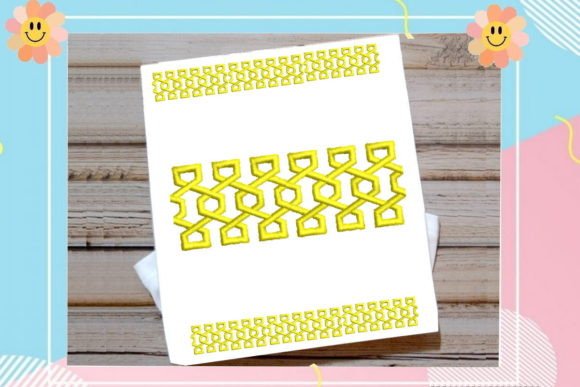
Yellow Border: Sweet, Modern & Gift-Ready
A Designer’s First Stitch with Yellow Border
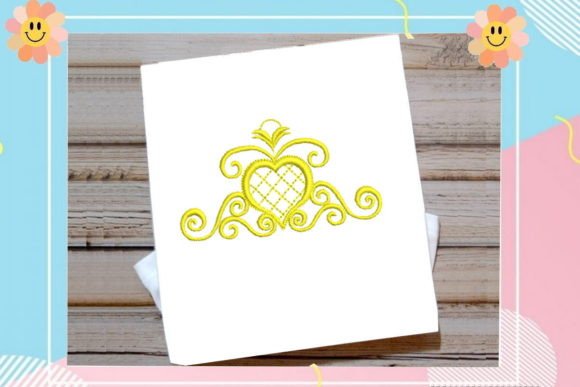
As an embroidery designer who’s shipped over 12,000 personalized gifts—from baby blankets stitched for NICU keepsakes to monogrammed aprons for wedding brunches—I opened Yellow Border expecting charm. What I found was something rarer: quiet confidence. It doesn’t shout. It smiles—softly, sincerely, and with unmistakable modern sweetness. The line work is clean but never sterile; the curves feel hand-drawn, not algorithmic. There’s a gentle rhythm to the repeat, just enough detail to read as “handmade,” but no fragile filigree that’ll vanish on a kitchen towel or blur on a cotton onesie. Emotionally? It lands right between nostalgic and now—like a vintage lace motif reimagined for a minimalist nursery or a sunlit bridal suite.
Where Yellow Border Truly Shines (and Who’ll Love It)
Yellow Border isn’t just a border—it’s a gift amplifier. Here’s how it elevates real-world products:
- Baby embroidery: On organic cotton swaddles or muslin burp cloths, it adds tenderness without clutter. Pair it with a tiny embroidered name or birth date inside the frame—parents instantly recognize the care.
- Wedding gift: Stitched onto linen napkins, pillow covers, or a custom guestbook sleeve, it whispers elegance. No florals, no script—just refined warmth that complements any palette.
- Personalized towel: Works beautifully on terry cloth when stabilized properly—especially on hand towels or beach throws. The contrast between soft texture and crisp stitching makes photos pop on Etsy or Instagram.
- Nursery decor & blanket embroidery: Frame a crib sheet corner, edge a quilt binding, or wrap a mobile hanger. Its scale feels intentional, not decorative filler.
- Tote bags, aprons & pillow covers: Because it’s balanced—not too wide, not too narrow—it anchors without overwhelming. Perfect for small shop products where every inch must earn its keep.
Where to Use Yellow Border Thoughtfully
This design shines brightest when you honor its strengths—and respect its limits. Avoid using Yellow Border for:
- Small lettering or delicate details placed *inside* the border: Its graceful flow leaves modest negative space—ideal for breathing room, not cramming in fine text.
- Highly textured fabric without testing: Thick terry, bouclé, or nubby linen can swallow fine lines. Always run a test on scrap first.
- Stretchy baby clothes (like knits): While lovely on woven cottons and linens, avoid direct application on jersey or interlock unless you use cutaway stabilizer + reduced stitch density.
- Curved surfaces (mugs, curved tote handles): Stick to flat panels—pillow fronts, towel hems, blanket corners—where tension stays consistent.
- Dark fabric without contrast checks: Yellow thread pops on ivory or oatmeal—but on navy or charcoal, test your chosen thread colors. A warm gold or buttercream often reads clearer than true yellow.
- Products needing frequent washing: If stitching for baby bibs or kitchen towels, confirm your thread quality and stabilizer hold up through repeated laundering. A light tear-away + medium cutaway combo usually wins.
Why Customers Choose (and Keep) Gifts With Yellow Border
Here’s what I’ve watched happen at craft fairs and in Etsy analytics: when Yellow Border appears on a product, perceived value jumps—not because it’s flashy, but because it signals intention. Buyers see craftsmanship, not decoration. They trust the maker understood *why* this border belongs there. That emotional connection translates directly to engagement: longer photo dwell time, more saved listings, higher conversion on custom order previews. For handmade sellers, that means fewer “just browsing” clicks—and more “this feels like *mine*” moments. It also photographs exceptionally well: clean lines reflect light evenly, and the subtle modernity reads clearly even in natural-light flat lays. In short, Yellow Border doesn’t just finish a product—it completes the story behind it.
Practical Embroidery Notes Before You Stitch
Before adding Yellow Border to your next batch of personalized gifts, do these five things:
- Test on scrap fabric—same weight, weave, and dye lot as your final product.
- Check thread color contrast across both light and dark mockups. Print a digital embroidery file preview to compare.
- Confirm hoop size compatibility—some versions may require a 5x7" or larger hoop. Measure your machine’s max before digitizing.
- Review stitch density—if it feels heavy for your fabric, adjust underlay or reduce fill density slightly (but never skip stabilizer).
- Verify commercial licensing before selling finished products. As a digital embroidery file, Yellow Border must be cleared for small business use—not just personal projects.
And one more thing: if you’re creating printable mockups for Etsy or client approvals, place Yellow Border against real fabric textures—not solid-color backgrounds. That’s where its sweet, modern magic becomes undeniable.
Final Thought: A Border That Belongs
Yellow Border isn’t just another machine embroidery design. It’s a quiet collaborator—elevating baby embroidery with tenderness, grounding wedding gifts in calm sophistication, and turning everyday items like towel sets or tote bags into heirloom-adjacent keepsakes. For Etsy sellers, small shop owners, and custom embroidery studios, it’s proof that sometimes, the most powerful statement is made not in the center—but all the way around the edge.