A Mozaik: A Designer's Real-Stitch Review
First Glance and Design Personality
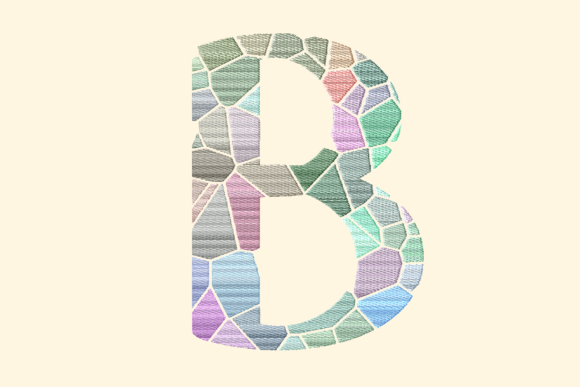
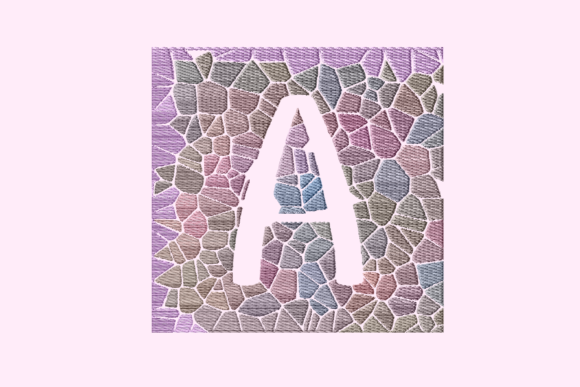
When I first opened A Mozaik, I immediately felt a soft, romantic pull—the kind of design that makes you pause and imagine it on something tactile, something personal. The shape category listed is Shapes, but calling this just a shape undersells it. This machine embroidery design carries a mosaic-inspired layout that feels intricate without being chaotic, balanced without being stiff. The visual personality leans toward adorable and romantic, just as the description says, and I could see it translating effortlessly into projects where sentiment matters more than complexity.
What struck me was how the design creates a mood rather than just occupying space. It doesn't scream for attention. Instead, it invites a closer look, which is exactly what you want on a handmade product where perceived value comes from thoughtful detail. For small shop owners and craft business makers, that quiet confidence in a design can be the difference between a product that sells once and one that builds repeat customers.
Real Project Thinking: Where I Would Stitch It First
I mentally placed A Mozaik on several project types while reviewing it. The first scenario that felt right was a custom canvas tote bag—unbleached natural cotton, clean lines, and this design centered on the front panel. The mosaic structure would give the tote a boutique feel, something that looks curated rather than mass-produced. I could see it working beautifully as a tote bag design for a spring collection, a bridal party gift, or even a personalized market bag.
Another real-life angle I considered was a baby blanket corner accent. Not the full field of the blanket, just a delicate placement in one corner, perhaps repeated diagonally. The romantic character of A Mozaik suits nursery decor perfectly—soft enough for a baby item, but refined enough that a parent wouldn't feel it's overly cute. That balance is hard to find in baby embroidery, and this design hits it well.
I also thought about a sweatshirt project. A small business owner prepping for a Valentine's or Mother's Day drop could place this design on a crewneck in a tonal thread color—same hue as the fabric but with a subtle sheen difference. The result would be an understated sweatshirt embroidery that feels elevated, not overly branded. Customers respond to that kind of restraint, and I think A Mozaik delivers it.
How the Shape Influences Project Fit
Because the product type is Embroidery and the category is Shapes, I expected a certain structural quality, and that's exactly what I found. The mosaic pattern creates a contained visual footprint that works well on products where you need the design to feel complete and self-contained—think patches, pocket accents, or small-scale embroidered patch applications. Unlike sprawling floral sprays or border patterns, this design doesn't need surrounding elements to make sense. It stands alone with confidence.
That containment also means it suits products with limited decoration space. A cap front panel, for instance, could hold this design without requiring awkward resizing. A kitchen towel corner would feel intentional, not cramped. Even a small zipper pouch could carry it well. When I evaluate shapes for real project use, I look for this kind of adaptability, and A Mozaik passes that test convincingly.
Fabric Considerations and Where to Be Careful
Every experienced embroiderer knows that a design's charm on screen means nothing if it fights the fabric. For A Mozaik, I would be selective about placement on textured fabrics. A thick terry cloth towel might blur the mosaic detail, especially if the stitch density is moderately high. The same goes for heavily napped fleece—the romantic delicacy could get swallowed. I would test this on a flat-woven cotton or a tight linen first, then move to looped fabrics only with a solid stabilizer plan.
Stretchy fabrics require extra thought. If you plan to stitch this on a t-shirt or onesie, a cut-away stabilizer is non-negotiable. The mosaic structure likely includes areas of satin stitch and fill stitch, and those can distort on knits if the backing isn't firm enough. I've learned that lesson the hard way on client projects, and it applies here just as much.
Dark fabrics present another consideration. If A Mozaik uses lighter thread tones, contrast becomes critical. I would test a sample on black cotton with the intended thread palette before committing to a bulk run. A design that looks airy on white can appear washed out on charcoal, and that impacts how your finished product photographs for Etsy listings or printable mockup previews. Test, photograph, then decide—that's my rule.
Stitching Quality and Customer Perception
When I think about customer trust and handmade presentation, stitch clarity is everything. A buyer might not know embroidery terminology, but they absolutely notice puckering, uneven edges, or thread breaks. Based on how A Mozaik is structured, I suspect it will stitch with clean definition if hooped correctly. The mosaic arrangement suggests a rhythmic stitch flow—each segment likely resolves before the next begins, which reduces jump stitches and trimming time.
That matters for efficiency, too. If you are an Etsy seller or run a small shop product line, every minute of finishing work cuts into your margin. A design that trims clean and presses flat saves real money over dozens of units. I would want to confirm this with a test stitch, but the layout gives me confidence that the digitizing behind A Mozaik prioritizes practical production, not just visual prettiness.
The Romantic Accent Angle and Giftability
The product description mentions an adorable and romantic accent, and I see that as the design's core selling point. This isn't a bold, graphic statement piece—it's a detail that makes someone look twice. That quality makes it especially strong for personalized gift projects. A bride receiving a handkerchief with this design stitched in a corner would feel the sentiment. A mother opening a pillow cover with A Mozaik on the front would understand the care involved.
From a business perspective, designs that evoke emotion tend to perform well in holiday embroidery collections. I could picture this on Valentine's gifts, Mother's Day keepsakes, and even Christmas ornaments if stitched in metallic thread on velvet. The mosaic quality lends itself to a heirloom feel, which raises perceived value. When a customer feels something, they are less likely to question the price point—and they are far more likely to leave a glowing review.
Commercial Use and Licensing Awareness
For anyone planning to use A Mozaik on products sold through a craft business, boutique, or online marketplace, the commercial angle matters deeply. I cannot confirm the specific license terms from the provided description, so I strongly recommend checking whether the design allows commercial use on finished products, and whether there are limitations on digital resale or distribution as part of design assets or digital embroidery file bundles.
It's also wise to confirm the available file formats and hoop size range before purchasing. Not every design fits every machine, and skipping this step can cause major frustration. Most digitizers provide these details clearly, and you should look for them before adding A Mozaik to your production library.
Practical Designer Notes for Successful Stitching
Over the years, I have developed a mental checklist for any new embroidery design. Here is what I would do before using A Mozaik on a real project or client order:
- Run a test stitch on medium-weight cotton with a medium-weight cut-away stabilizer
- Experiment with thread colors—try monochrome on colored fabric and contrasting threads on neutral fabric
- Check how small details hold up at the design's minimum recommended size
- Test in black and white to see if the shape reads clearly without color cues
- Photograph the stitched sample on both light and dark backgrounds for your product listings
- Wash the test piece once to check for thread shrinkage or stabilizer issues
On the project side, I would match the thread finish to the product's purpose. A matte polyester thread works well for home decor items like pillow covers and tea towels. A rayon thread with a slight sheen enhances the romantic feel on apparel and accessories. Small choices like this compound into a finished product that feels intentional and professional.
Where This Design Shines Brightest
If I had to pick the ideal home for A Mozaik, I would point toward custom apparel accents and small-format personalized gift items. The design feels intimate rather than loud, so it naturally suits projects where the recipient leans in to appreciate the detail. Wedding handkerchiefs, baby coming-home outfits, a special tote for a bridesmaid, a patch on a denim jacket—these are the projects where the design's romantic nature fully activates.
For digital product sellers creating printable mockup previews, this design would photograph beautifully on flat lay setups with dried flowers, linen backgrounds, or soft pastel props. The mosaic layout creates interesting shadow and texture that catches light nicely, which is a real asset when selling online where the image does all the talking.
Final Practical Verdict
Evaluating A Mozaik from a real-use perspective, I see a shape-based embroidery design that understands restraint and sentiment. It won't dominate a product, but it will elevate it. The romantic mosaic quality gives it broad seasonal appeal and makes it versatile across fabric types when paired with thoughtful stabilizer choices. I would confidently stitch this on client projects, stock it for craft fair inventory, and recommend it to fellow makers who want designs that feel handmade in the best possible way.
No design is universal, and this one isn't either—it thrives in specific contexts, and knowing that context is where your skill as a maker comes in. Use it where delicacy matters, where the customer wants something that feels special rather than simply decorated, and you will find A Mozaik earns its place in your embroidery collection.